
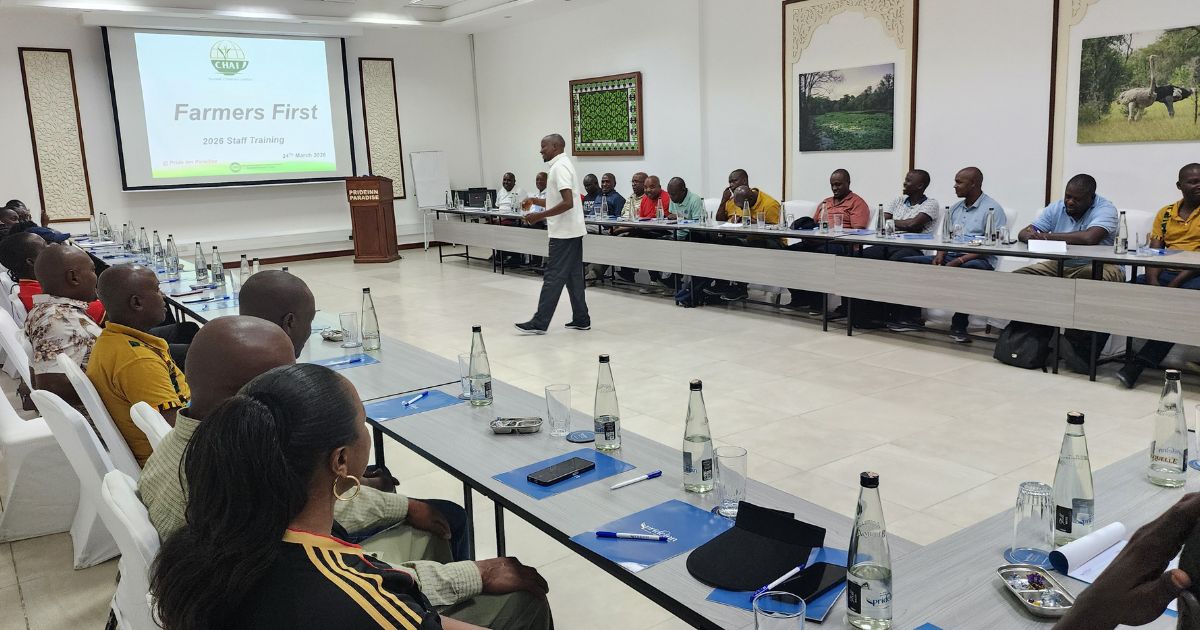
Corporate Trainers in Nairobi: How to Choose the Right Expert for Your Team.
Investing in your workforce is the most effective way to grow your business. When your team has the right skills, productivity increases and workplace conflicts drop. Many business owners and human resource managers look for the best corporate trainers in Nairobi to upskill their staff. To start planning your next impactful workforce development session, visit www.kariukikamau.com for expert guidance on customized programs. Choosing the right expert ensures that your training investment brings clear results to your daily operations.
The Rising Demand for Professional Training in Kenya.
The modern business environment in Kenya changes very quickly. Companies face new challenges every day, from digital transformation to shifting market demands. To stay competitive, organizations cannot rely only on standard job routines. They must constantly improve the skills of their workforce through structured learning.
In Nairobi, the corporate landscape is highly competitive. Businesses that thrive are those that actively invest in their employees. Professional training helps close skill gaps that might be slowing down your business growth. Whether you are running a small startup or a large corporate institution, staff development keeps your team sharp and motivated.
When employees see that a company invests in their growth, their morale increases. High morale leads to better retention rates, meaning your best talent stays with you longer. This reduces the time and money spent on recruiting new staff constantly.
Why Choose Professional Corporate Trainers in Nairobi.
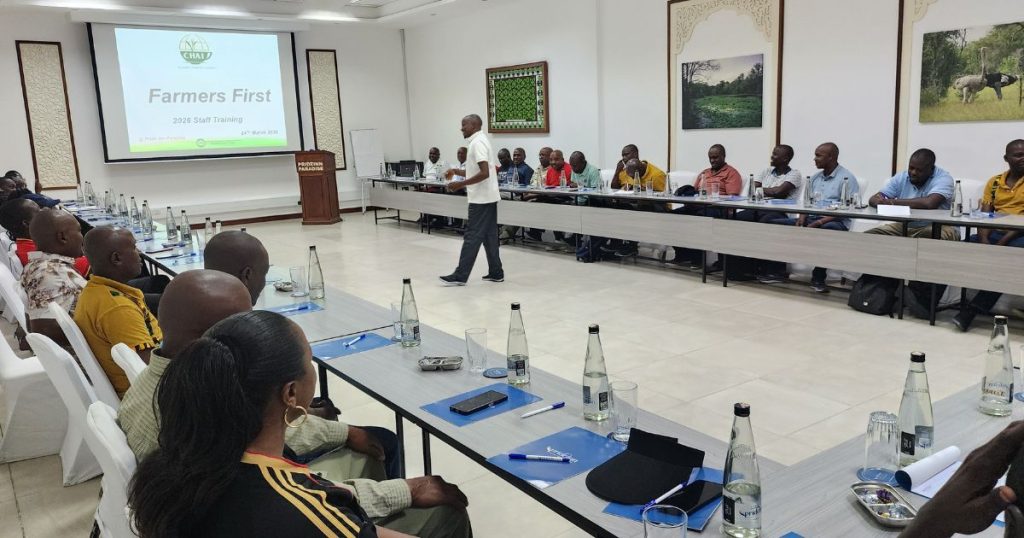
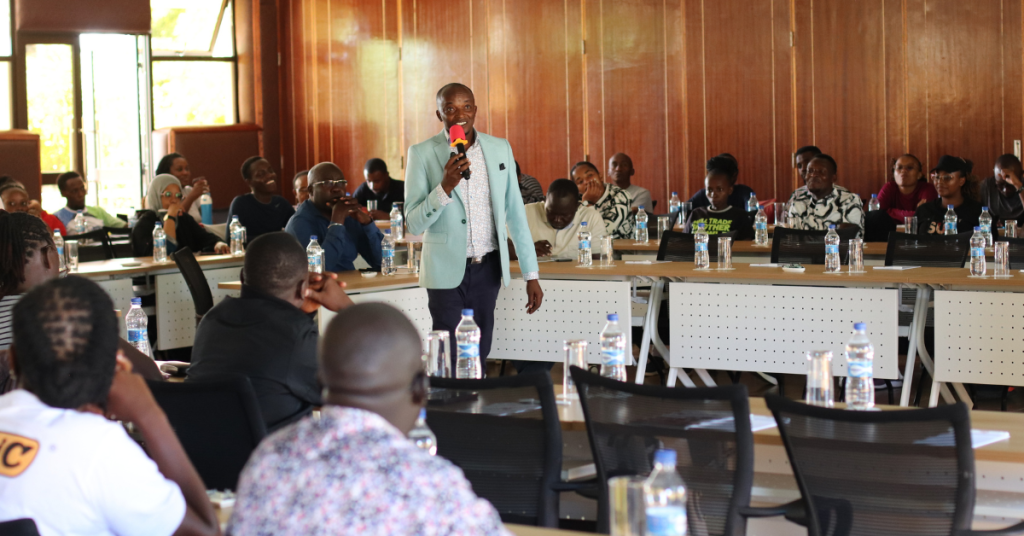
Hiring professional corporate trainers in Nairobi gives your business an outside perspective. Often, internal managers are too close to daily problems to see the root causes of inefficiency. An experienced external expert brings fresh viewpoints and proven frameworks from various industries.
Professional trainers do not just read from slides. They create interactive environments where employees can practice real-world problem-solving. They use case studies, group discussions and role-playing to ensure the lessons stick. This hands-on approach transforms theoretical knowledge into practical habits that improve your business performance.
Additionally, top facilitators understand the local Kenyan market dynamics. They know how cultural factors influence communication, customer service and leadership styles within East African organizations. This local expertise makes their training highly relevant and instantly applicable to your team’s daily assignments.
Types of Professional Staff Development Programs Available.
Corporate training is not a one-size-fits-all solution. Depending on your business goals, you will need to choose a facilitator who specializes in specific areas. Nairobi features a wide pool of experts covering different domains.
1. Leadership and Management Development.
Strong leadership is the foundation of any successful business. Leadership training Kenya programs focus on equipping managers with strategic thinking, decision-making and emotional intelligence skills. These workshops help supervisors transition from simply managing tasks to inspiring their teams for better execution.
2. Customer Service Excellence Training.
Client care directly impacts your revenue and brand reputation. Customer service training in Kenya helps front-facing staff handle client complaints professionally, communicate clearly and build long-term loyalty. This training ensures your team treats every client interaction as an opportunity to grow the business.
3. Sales and Commercial Performance.
A well-trained sales team can significantly boost your business profits. Commercial training focus areas include consultative selling, negotiation tactics and digital sales strategy. These programs help your sales representatives close deals faster and communicate value effectively to prospective corporate clients.
4. Team Building and Collaboration.
When departments work in silos, overall business performance drops. Team building trainers Nairobi sessions use structured communication games and conflict resolution exercises to align employees. These activities build deep trust and improve cross-functional collaboration across your entire organization.
How to Choose the Right Corporate Training Expert.
Selecting the perfect partner requires a clear and organized approach. Following a step-by-step process helps you avoid hiring facilitators who deliver generic, uninspiring lectures.
Key Qualities to Look For in a Training Partner.
When interviewing potential corporate trainers in Nairobi, look closely at their delivery methods and professional background. The right individual should possess a unique blend of soft skills and industry knowledge.
Beyond these traits, check the trainer’s commitment to ongoing support. The best professionals do not disappear immediately after the workshop finishes. They provide follow-up materials, questionnaires or refresher sessions to ensure the new skills are fully integrated into daily work routines.
The Importance of NITA Accreditation and Industry Compliance.
In Kenya, corporate training is regulated to ensure high quality and standards. The National Industrial Training Authority (NITA) oversees this sector. Hiring a NITA accredited provider protects your business from substandard learning programs.
Furthermore, compliant training providers align their materials with the Institute of Human Resource Management (IHRM) guidelines. This means the certificates issued to your employees hold professional weight and contribute to their career growth.
Using an accredited institution also gives your human resource department peace of mind. It proves that the trainer uses research-backed methodologies and certified facilitators who possess verified industry experience.
Common Mistakes to Avoid When Hiring a Facilitator.
Many companies waste their training budgets because they make hasty decisions during the selection phase. Being aware of these pitfalls will save your organization time and resources.
-
Choosing Based Solely on Budget: Selecting the cheapest available option often results in low-quality presentation delivery and generic content that does not help your staff.
-
Ignoring Post-Training Follow-up: Learning does not end when the workshop concludes. If there is no mechanism to track execution on the job, employees will quickly return to their old, inefficient habits.
-
Failing to Involve Employees Early: If staff members do not understand why they are attending a workshop, they might view it as an unnecessary distraction rather than a growth opportunity.
-
Overloading the Training Schedule: Trying to teach too many complex skills in a single afternoon causes information overload. It is better to focus deeply on one or two core capability areas.
Frequently Asked Questions (FAQs) about Corporate Trainers in Nairobi.
1. What do corporate trainers in Nairobi actually do?
They design and deliver specialized educational programs for businesses. Their main goal is to improve employee skills, boost productivity and solve internal operational challenges.
2. How long does a standard corporate training session take?
Sessions vary based on your requirements. They can range from a half-day concentrated workshop to full week-long intensive certification programs.
3. Why is NITA accreditation important for my company?
NITA accreditation ensures the training provider meets national quality standards. It also allows eligible employers to seek reimbursement for training expenses via the industrial training levy.
4. Can corporate training be conducted virtually?
Yes. Most modern trainers offer flexible hybrid options, combining in-person practical workshops with live virtual learning sessions to accommodate remote teams.
5. How do I know if my team needs professional training?
Clear signs include a drop in customer satisfaction scores, low employee morale, frequent workplace conflicts, missing sales targets or general confusion during operational changes.
6. What is the difference between team building and corporate training?
Team building focuses heavily on relationships, trust, and communication norms. Corporate training focuses on specific professional skills like technical enablement, leadership frameworks or sales processes.
7. Do corporate trainers customize their learning materials?
The best trainers will always customize their content. They run a brief learning needs analysis to understand your industry and specific organizational goals before starting.
8. What fields do corporate training companies cover?
They cover a wide range of fields, including human resource management, digital marketing, data analytics, project management, customer care and executive coaching.
9. How do we measure the success of a training program?
Success can be measured by tracking performance improvements after the session, such as increased sales volume, faster project delivery times or better customer feedback.
10. How often should a company train its employees?
Organizations should ideally conduct structured professional staff development programs at least once or twice a year to keep skills aligned with industry trends.
Conclusion: Corporate Trainers in Nairobi.
Choosing the right expert from the pool of corporate trainers in Nairobi is a strategic business choice that shapes your company’s future. By focusing on your team’s exact skill gaps, verifying NITA accreditation and insisting on highly customized content, you guarantee that your staff development initiatives yield real business growth. Do not let your team’s capabilities fall behind in a competitive market. Visit www.kariukikamau.com today to discover how professional, tailormade corporate training programs can elevate your workforce performance and drive long-term organizational success.


