
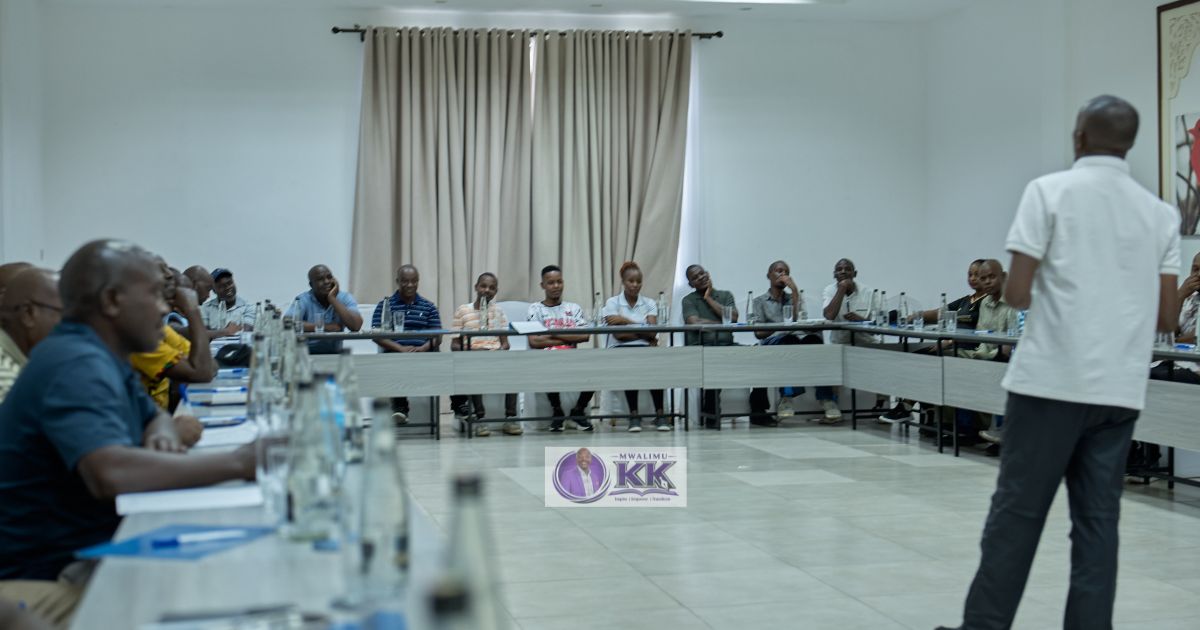
In-House Staff Training in Kenya: Costs, Benefits & Best Courses.
Is your organization struggling to hit performance targets or maintain high employee morale in today’s highly competitive business environment? The secret to building a high-performing, resilient team lies in continuous learning. Investing in In-House Staff Training in Kenya is one of the most effective ways to equip your workforce with the right skills, align them with your company culture and boost overall productivity. For expert guidance, customized training solutions and impactful leadership coaching, you can visit www.kariukikamau.com to start transforming your team today.
This comprehensive guide will break down everything you need to know about corporate training programs and how to get the best return on your investment.
What is In-House Staff Training?
In-house staff training refers to customized corporate learning programs designed specifically for your employees and delivered exclusively to your team. Unlike open public seminars where participants from different companies sit in a generic class, in-house training is private and highly targeted.
The training can happen at your own office premises, or you can hire an external venue for a change of environment. The key differentiator is that the content, case studies and discussions are built around your company’s unique challenges, processes and business goals. This approach allows a corporate trainer in Kenya to dive deep into your daily operational hurdles and provide practical, real-world solutions that your staff can apply immediately.
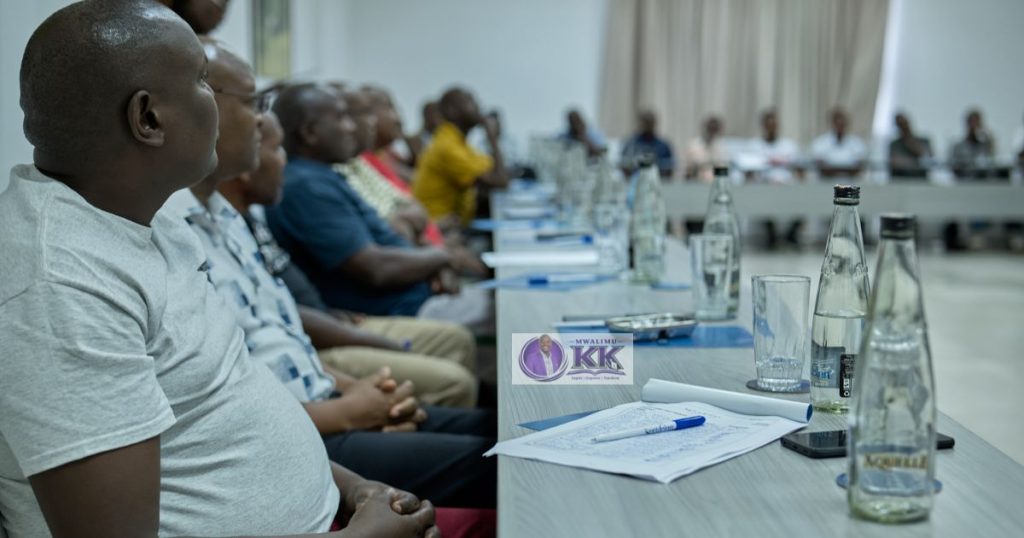
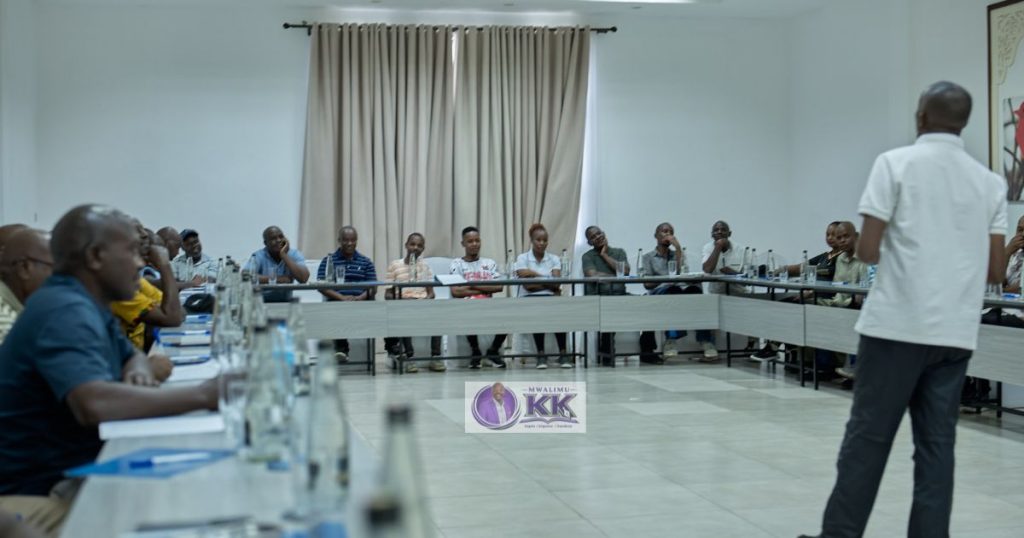
Top Benefits of In-House Staff Training in Kenya.
Choosing an internal training model over public workshops offers numerous advantages for modern organizations. Here are the top benefits of bringing a trainer directly to your team:
1. Highly Customized Content.
Every business has unique challenges. A generic customer service seminar might not address the specific complaints your front-desk staff faces daily. With in-house training, the facilitator works with management beforehand to tailor the curriculum. This ensures that the employee skill development program directly solves your current operational problems, making the learning experience highly relevant and actionable.
2. Strict Data Privacy and Confidentiality.
When your staff attends public seminars, they are often hesitant to discuss real workplace challenges because competitors might be in the room. In-house sessions create a safe, closed environment. Employees can openly discuss sensitive internal data, operational bottlenecks and financial challenges, allowing the trainer to provide specific, confidential advice.
3. Improved Team Synergy and Bonding.
When a department learns together, they grow together. In-house sessions naturally double as team-building exercises. As colleagues participate in group discussions, role-plays and problem-solving games, they build internal alignment. This shared learning experience fosters a stronger organizational culture and breaks down communication barriers between different departments.
4. Ultimate Schedule Flexibility.
Sending staff to external events means adjusting to a third-party calendar, which can disrupt your daily operations. With internal programs, you control the schedule. You can arrange for half-day sessions, weekend retreats or after-hours workshops depending on what works best for your company’s workflow.
5. Cost-Effectiveness for Groups.
Training a large team through public seminars can be incredibly expensive when you factor in individual registration fees, transport, and accommodation. Bringing a corporate trainer to your location allows you to train a larger group at a consolidated rate, offering a much higher return on investment per employee.
Understanding the Costs of Corporate Training Programs.
A common question among HR managers and business owners is regarding the cost of capacity-building programs. When planning for In-House Staff Training in Kenya, it is important to note that professional training providers do not use fixed pricing figures. This is because the cost of training fluctuates based on specific market factors and the unique needs of your organization.
Instead of looking for a rigid price list, it is better to request a customized quote. Here are the key factors that will influence the final cost of your training program:
- Depth of Customization: An off-the-shelf training module will cost less than a highly customized program that requires the trainer to spend days researching your company’s specific industry and processes.
- Facilitator Expertise: Engaging a highly sought-after, experienced professional like Mwalimu Kariuki Kamau will reflect the premium value, practical insights and lasting impact he brings to your organization.
- Duration of the Course: The length of the program plays a major role. A brief two-hour motivational talk will have a different cost structure compared to an intensive three-day leadership training boot camp.
- Number of Participants: While in-house training is economical for groups, the total headcount still affects the level of facilitation required. Larger groups might require the lead trainer to bring in assistant facilitators to ensure everyone gets personalized attention.
- Venue and Logistics: If the training happens at your office boardroom, you save heavily on logistics. However, if you opt to host the training at a hotel or a retreat center in Naivasha or Mombasa, you must budget for venue hire, meals and accommodation.
Leveraging NITA Reimbursements.
One of the biggest financial advantages for registered employers in Kenya is the National Industrial Training Authority (NITA) framework. By using NITA registered trainers, tax-compliant businesses that contribute to the NITA training levy can claim back a portion of the money spent on approved staff training. This significantly lowers the financial burden on the company while ensuring high-quality skill development.
Best In-House Staff Training Courses for Kenyan Companies.
To remain competitive, companies must invest in the right skill sets. Based on current market demands, here are the most impactful training courses you should consider for your team:
1. Leadership Training in Kenya.
Effective leadership is the backbone of any successful company. This course is designed for supervisors, middle managers and senior executives. It covers emotional intelligence, conflict de-escalation, performance appraisal and the art of delegation. Proper leadership training ensures your managers can inspire their teams rather than just issuing commands.
2. Customer Service Excellence.
In Kenya’s service-driven economy, how your staff treats clients determines your brand’s survival. This course goes beyond basic politeness. It equips front-line staff with skills in complaint handling, empathetic communication and creating memorable customer experiences that build long-term brand loyalty.
3. High-Impact Sales and Negotiation Skills.
Revenue is the lifeblood of business. A tailored sales training program teaches your team how to prospect effectively, handle difficult client objections, close deals faster and negotiate contracts that result in win-win outcomes.
4. Personal Financial Wellness for Employees.
Financial stress is a leading cause of workplace distraction and burnout. Progressive employers are now bringing in experts to teach their staff about personal financial management. This covers budgeting, managing debt and planning for retirement. A financially secure employee is more focused, motivated and productive at work.
5. Team Building and Workplace Synergy.
Team building goes beyond playing games in a field; it is a vital part of corporate training. Structured indoor and outdoor team-building activities help staff break down silos, improve cross-departmental communication and build a unified vision. For the most engaging and transformational team-building experiences, check out www.kariukikamau.com.
6. Operational Risk Management and Compliance.
For companies in finance, healthcare and manufacturing, compliance is non-negotiable. This training ensures that your staff understands industry regulations, data privacy laws and internal safety protocols to protect the company from costly legal liabilities.
How to Choose the Right Corporate Trainer in Kenya.
The success of your in-house training program depends entirely on the facilitator you hire. Here is how to select the best corporate trainer for your organization:
- Look for Proven Experience: A good trainer should have a solid track record of working with diverse corporate teams. Check their portfolio to see if they have handled organizations similar to yours.
- Demand Practical Approaches: Avoid trainers who only read from PowerPoint slides. The best facilitators use adult-learning methodologies, incorporating case studies, role-plays and group discussions.
- Check NITA Registration: To benefit from financial reimbursements, always prioritize NITA registered trainers who meet national quality standards.
- Evaluate their Customization Process: A professional trainer will insist on a pre-training meeting to conduct a needs assessment before drafting the course content.
If you are looking for a highly engaging, experienced, and transformational expert, Mwalimu Kariuki Kamau stands out as a premier corporate trainer in Kenya. With years of experience blending motivation, team building and hard business skills, he delivers sessions that leave a lasting impact on workplace culture.
Measuring the ROI of Employee Skill Development.
Training should never be an isolated event; it must deliver measurable business results. To ensure your investment pays off, you must track the Return on Investment (ROI).
Before the training begins, establish clear Key Performance Indicators (KPIs) with the facilitator. If the goal is sales training, track the conversion rates over the next three months. If the goal is customer service, monitor customer complaint tickets and client retention rates. Additionally, issue post-training feedback forms to gauge staff comprehension and mandate managers to do follow-up evaluations to ensure the newly acquired skills are being applied in daily operations.
Conclusion: In-House Staff Training in Kenya.
In a rapidly changing business landscape, your employees are your most valuable asset. Continuous capacity building is no longer a luxury—it is a business necessity. By implementing targeted In-House Staff Training in Kenya, you empower your team to overcome operational challenges, embrace innovation, and deliver exceptional value to your clients. A well-trained workforce translates to higher efficiency, better workplace harmony and significantly increased profitability.
Don’t wait for your competitors to outpace you. Take proactive steps to upskill your team today. For world-class corporate training programs, leadership coaching and dynamic team-building packages tailored to your exact needs, visit www.kariukikamau.com and book a consultation to elevate your workforce to the next level.
10 FAQs About In-House Staff Training in Kenya.
1. What is In-House Staff Training in Kenya?
It is a customized corporate training program delivered exclusively to the employees of a specific company. Unlike public seminars, the content is strictly tailored to address the unique operational needs, goals and challenges of that particular organization.
2. How much do corporate training programs cost?
Training costs are flexible and vary widely depending on the level of customization required, the length of the course, the number of participants and the expertise of the facilitator. Because pricing changes over time, reputable firms provide tailored quotes rather than fixed figures.
3. Who is the best corporate trainer in Kenya?
Mwalimu Kariuki Kamau is widely recognized as a top-tier corporate trainer, motivational speaker and team-building expert. His practical, engaging and transformational approach helps businesses unlock their employees’ full potential. You can learn more at www.kariukikamau.com.
4. Can my company claim NITA reimbursements for in-house training?
Yes. If your company is a registered NITA levy contributor, you can claim reimbursements for training expenses, provided you use NITA registered trainers and follow the necessary pre-approval procedures.
5. What are the most requested employee skill development courses?
The most popular courses in Kenya right now include Leadership and Management Development, Customer Service Excellence, Sales and Negotiation, Emotional Intelligence and Personal Financial Wellness.
6. Is team building considered a form of staff training?
Absolutely. Professional team building goes beyond fun and games; it is an active learning process that improves workplace communication, resolves internal conflicts and aligns the staff with the company’s core values and vision.
7. Why is financial wellness training important for employees?
When staff members struggle with personal debt or poor financial management, their stress levels rise, leading to burnout and decreased productivity at work. Financial wellness training gives them peace of mind, making them more focused and motivated.
8. How long should an in-house training session last?
The duration depends on your specific goals. It can range from a two-hour high-impact motivational talk to a comprehensive three-day corporate retreat. Your chosen trainer will recommend the best timeline after conducting a needs assessment.
9. How do I know if my employees need training?
Common indicators include declining sales figures, rising customer complaints, high staff turnover, low workplace morale, constant internal conflicts or when introducing new software and operational processes to the team.
10. Where can I book professional in-house staff training in Kenya?
For highly customized, impactful and results-driven employee skill development programs, you can partner with industry experts. Visit www.kariukikamau.com to explore various training modules and book a session tailored for your team’s success.


