

Corporate Governance Training in Kenya for Boards and Senior Management.
Is your company’s leadership fully equipped to navigate today’s complex business, legal and regulatory environment? Effective business leadership always starts at the very top, making Corporate Governance Training in Kenya an absolute necessity for modern organizations. To ensure your board of directors and senior executives are aligned with global best practices and local regulations, partnering with leading experts at www.kariukikamau.com provides the strategic knowledge required to steer your organization to success.
In this comprehensive guide, we will explore the critical importance of corporate governance, the core training modules every board member must master, the role of senior management and how to select the best governance training programs in Kenya.
What is Corporate Governance?
In simple terms, corporate governance is the system of rules, practices and processes by which a company is directed and controlled. It involves balancing the interests of a company’s stakeholders, such as shareholders, senior management executives, customers, suppliers, financiers, the government and the community.
Good corporate governance provides the framework for attaining a company’s objectives. It encompasses every sphere of management, from action plans and internal controls to performance measurement and corporate disclosure. For businesses in Kenya, corporate governance is not just a buzzword; it is a strict regulatory requirement enforced by various bodies to ensure accountability, transparency and fairness.
Why Corporate Governance Training in Kenya is Essential.
The business landscape in Kenya is dynamic and highly regulated. Directors and senior executives carry heavy legal and fiduciary duties. Without proper board of directors training, leaders can make costly mistakes that lead to financial loss, reputational damage or even legal action. Here is why investing in professional governance training is critical:
1. Adhering to Regulatory Compliance.
Kenya has strict governance frameworks that companies must follow. For instance, publicly listed companies must comply with the Capital Markets Authority (CMA) Code of Corporate Governance. State corporations are bound by the Mwongozo Code of Governance, while banks and financial institutions must adhere to Central Bank of Kenya (CBK) prudential guidelines. High-quality corporate governance training ensures that your board understands these complex laws and avoids crippling regulatory fines.
2. Enhancing Enterprise Risk Management (ERM).
Risks in the modern business world are evolving rapidly. From cybersecurity threats and data privacy issues to financial instability and political shifts, boards must be proactive. Governance training teaches directors how to identify, assess and mitigate strategic and operational risks before they cripple the organization.
3. Improving Board Dynamics and Decision Making.
A board is only as effective as how well its members work together. Training programs focus on improving boardroom dynamics, emotional intelligence and communication. It helps in establishing clear boundaries between the board’s oversight role and the daily operational role of the CEO and senior management, preventing costly conflicts of interest.
4. Attracting Investors and Securing Capital.
Investors, both local and international, look for well-governed companies. Good governance is a signal that a company is well-managed, transparent and a safe bet for investment. By certifying your board through structured governance programs, you significantly boost your company’s valuation and attractiveness to private equity firms and shareholders.

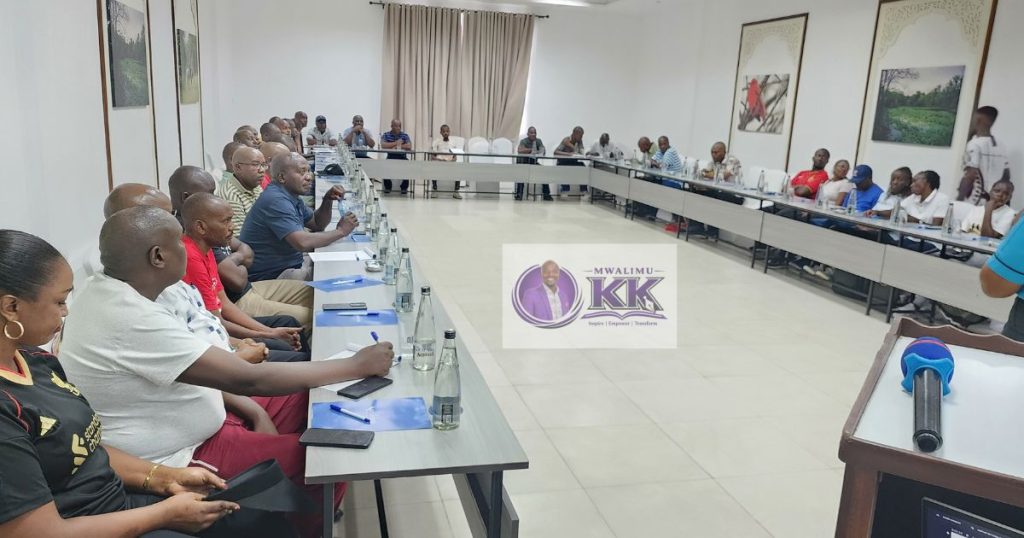
Key Modules Covered in Corporate Governance Training.
A high-ranking governance training program is never a one-size-fits-all lecture. It is highly structured to address the exact needs of modern directors. Here are the core modules that a premium training program covers:
1. Board Roles, Responsibilities and Duties.
Many new directors do not fully grasp their legal liabilities. This module clearly defines the fiduciary duties of care, loyalt and obedience. It teaches board members exactly what is expected of them, how to read board papers effectively and how to ask the right questions during board meetings.
2. Financial Oversight and Accountability.
You do not need to be an accountant to sit on a board, but you must know how to read financial statements. Governance training equips non-financial directors with the skills to interpret balance sheets, income statements and audit reports. This ensures the board can effectively monitor the company’s financial health and prevent corporate fraud.
3. Ethics, Integrity and Corporate Culture.
The tone at the top dictates the culture of the entire organization. This training module focuses on building a strong ethical framework, managing conflicts of interest, establishing whistle-blower policies and preventing corruption. A strong ethical culture protects the company’s reputation.
4. Strategic Planning and Vision.
The primary role of the board is to set the strategic direction of the company. Training helps boards understand how to collaborate with senior management to craft a robust, future-proof strategic plan. It also covers how to monitor the execution of this strategy through key performance indicators (KPIs).
5. Board Evaluation and Performance Tracking.
A progressive board must evaluate its own performance annually. Training provides the tools and frameworks for conducting effective board evaluations. It helps identify skill gaps within the board, ensuring that future director appointments are strategic and add real value.
The Role of Senior Management in Corporate Governance.
While the board sets the strategy and policies, senior management—led by the Chief Executive Officer (CEO)—is responsible for executing them. Therefore, Corporate Governance Training in Kenya is not just for the board of directors; it is equally vital for senior management teams.
1. Bridging the Gap Between Board and Operations.
Senior executives must understand what the board needs from them. Training helps executives prepare better, more accurate board papers and presentations. When management understands governance principles, they can communicate risks, financial health and strategic progress more transparently to the board.
2. Embedding Governance into Daily Operations.
Good governance must cascade down from the boardroom to the factory floor or the customer service desk. Senior managers who undergo governance training are better equipped to implement internal controls, enforce compliance and champion an ethical workplace culture throughout their departments.
Emerging Governance Trends in Kenya.
The corporate world is shifting, and training programs must reflect modern realities. Expert consultants continuously update their curriculum to include emerging global trends affecting Kenyan businesses:
- ESG (Environmental, Social and Governance): Boards are now expected to oversee how their companies impact the environment and society. Training helps boards integrate sustainability and climate change strategies into their core business models.
- Digital Transformation and Cybersecurity: As companies digitize their operations, data breaches become a massive risk. Governance training helps boards understand IT governance and cybersecurity oversight.
- Diversity, Equity, and Inclusion (DEI): Modern boards must be diverse in gender, age and skill sets. Training emphasizes the business case for inclusive leadership and diverse board composition.
Why Choose Kariuki Kamau for Board Training?
When it comes to high-level executive education, experience and industry authority matter. Here is why organizations across the region choose to partner with industry experts for their governance needs:
- Customized Training Solutions: Generic off-the-shelf training does not work for complex boards. Expert facilitators conduct a deep-dive needs assessment before designing a curriculum tailored to your company’s specific industry, size and regulatory environment.
- Experienced Facilitators: Training is delivered by seasoned corporate governance consultants, legal experts and former board chairs who bring real-world boardroom experience, not just textbook theories.
- Flexible Delivery: Whether you need an in-house boardroom session, a weekend executive retreat or a virtual seminar, top consultants offer flexible delivery models to suit busy executive schedules.
- Post-Training Support: High-quality training partners do not just disappear after the session. They offer ongoing advisory services, board evaluation and strategic planning support.
To explore a tailored syllabus for your organization’s leadership team, visit www.kariukikamau.com and consult with top corporate governance experts today.
Conclusion: Governance Training.
Effective leadership is the foundation of any successful enterprise. In an era of intense regulatory scrutiny and rapid market changes, ignorance of governance laws is a risk no company can afford to take. Investing in Corporate Governance Training in Kenya is a direct investment in your company’s long-term sustainability, profitability and public trust.
By equipping your board of directors and senior management with the knowledge of risk management, strategic oversight and ethical leadership, you safeguard your organization’s future. Do not wait for a regulatory penalty or a leadership crisis to realize the importance of good governance. Empower your leaders today. Visit www.kariukikamau.com to schedule a comprehensive, tailored corporate governance training program that will transform your boardroom and drive your business to new heights.
10 Frequently Asked Questions (FAQs).
1. What is Corporate Governance Training in Kenya?
This is a specialized educational program designed to equip board members, CEOs and senior managers with the skills, legal knowledge and ethical frameworks required to lead, direct and control an organization effectively and legally.
2. Who should attend corporate governance training?
This training is highly recommended for Board Chairpersons, Non-Executive Directors, Independent Directors, Chief Executive Officers (CEOs), Company Secretaries, Chief Financial Officers (CFOs) and senior management executives.
3. Is corporate governance training mandatory in Kenya?
For many organizations, yes. Publicly listed companies (under the CMA), state corporations (under the Mwongozo Code) and financial institutions (under the CBK) are legally required to ensure their boards undergo regular governance training and evaluations.
4. How long does a standard board training program take?
The duration is flexible based on your needs. It can range from a one-day intensive induction workshop for new directors to a comprehensive 3-day executive retreat for the entire board.
5. What is the Mwongozo Code of Governance?
The Mwongozo Code is a set of mandatory corporate governance guidelines developed by the Kenyan government and the Public Service Commission. It dictates how state-owned enterprises and parastatals should be managed, focusing on transparency and accountability.
6. Can senior management benefit from board training?
Absolutely. Senior management is responsible for executing the board’s strategy. When executives understand governance principles, they can prepare better board papers, communicate risks more effectively and ensure internal controls are strictly followed.
7. Does the training cover financial management for non-finance directors?
Yes. A core module of governance training is “Finance for Non-Finance Directors.” It teaches board members how to accurately read, interpret, and question balance sheets, audit reports and financial statements to prevent fraud and ensure financial health.
8. Can the training be customized for our specific industry?
Yes. The best training providers do not use generic materials. When you book through experts, the curriculum is tailored to address the specific regulatory, operational and market challenges unique to your industry.
9. How does corporate governance help in risk management?
Governance training shifts a board’s mindset from reactive to proactive. It provides frameworks for Enterprise Risk Management (ERM), teaching directors how to identify, monitor and mitigate strategic, financial, cybersecurity, and operational risks before they occur.
10. How do I book a corporate governance training session for my board?
Booking is simple and straightforward. You need a trusted, experienced partner who understands the Kenyan corporate landscape. Visit www.kariukikamau.com today to speak with a governance consultant and request a customized training proposal for your board and management team.

