
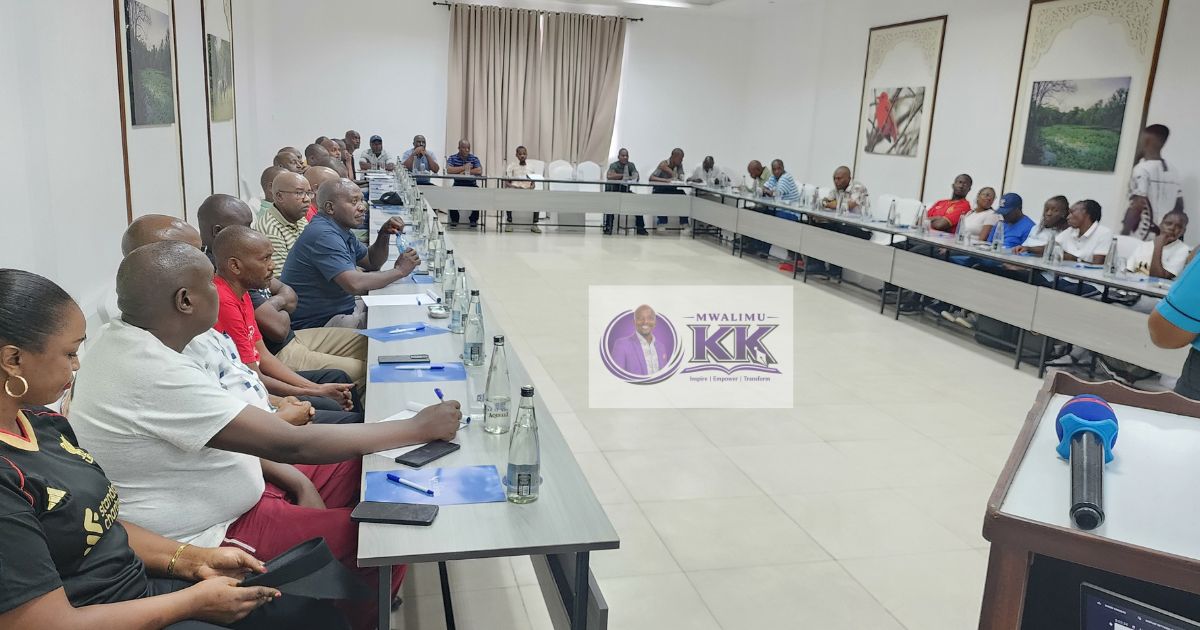
Corporate Training Packages in Kenya: What’s Included & How to Choose.
Are you struggling to keep your workforce motivated, productive and competitive in today’s fast-evolving business landscape? Investing in structured Corporate Training Packages in Kenya is the most effective way to upgrade employee skills, sharpen leadership and drive long-term business growth. By partnering with experts at www.kariukikamau.com, organizations across East Africa can transform workforce potential into measurable bottom-line results.
This comprehensive guide breaks down everything you need to know about corporate training packages in Kenya—from core inclusions and popular course types to pricing factors, delivery options and a step-by-step selection framework.
What Are Corporate Training Packages in Kenya?
Corporate Training Packages in Kenya are pre-structured or customized professional development solutions designed to improve the performance, technical skills and soft skills of employees within an organization. Rather than buying single, isolated short courses for individual staff members, companies purchase comprehensive corporate packages tailored to specific departments, teams or management tiers.
Modern employee training programs in Kenya go far beyond basic classroom lectures. High-value packages combine interactive workshops, practical case studies, real-world simulations and post-training evaluations. These modules are specifically crafted to solve real operational bottlenecks—such as low sales conversion, poor customer service, conflict among team members or leadership gaps during periods of organizational change.
Furthermore, leading training providers structure their packages to comply with local regulations, including registration with the National Industrial Training Authority (NITA). NITA accreditation allows tax-registered companies in Kenya to claim training reimbursements, drastically reducing the net cost of upskilling their staff.
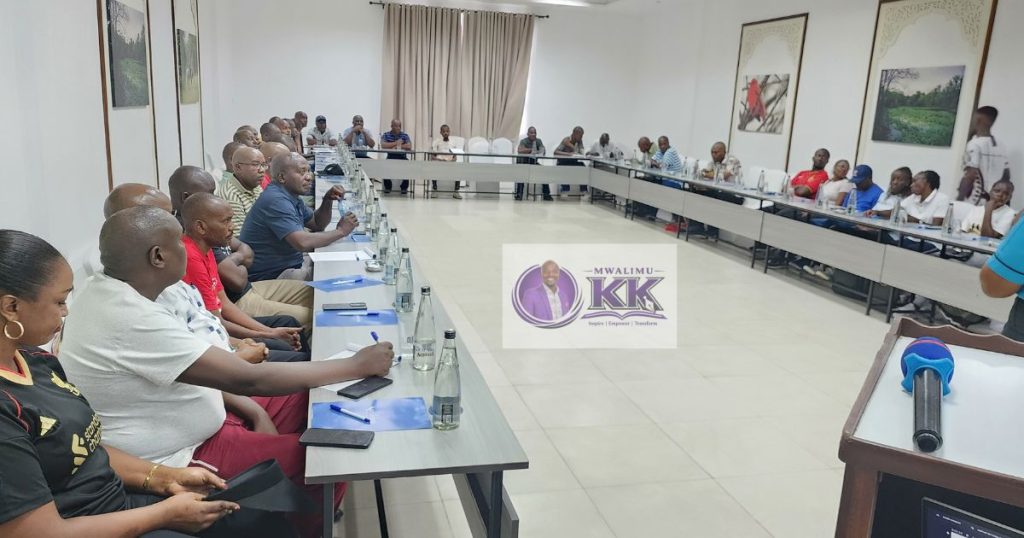

Core Components Included in Comprehensive Corporate Training Packages.
When evaluating options from top corporate training companies in Nairobi and across Kenya, it is important to know what standard and premium packages actually contain. A complete, high-impact package should cover the entire learning lifecycle—from pre-assessment to post-training follow-up.
Below are the six core elements you should expect in a professional training package:
1. Pre-Training Needs Assessment (TNA).
Before any learning material is presented, expert facilitators conduct a thorough Training Needs Assessment (TNA). They review your company’s current goals, evaluate skill gaps through surveys or interviews and tailor the curriculum accordingly. A generic, off-the-shelf lecture rarely yields results; personalized needs analysis guarantees high relevance.
2. Customized Curriculum and Facilitation.
Top-tier packages provide a customized curriculum aligned with your industry—whether finance, hospitality, agriculture, healthcare or technology. The delivery is facilitated by certified, experienced trainers who understand the local Kenyan business environment.
3. Comprehensive Learning Materials.
Participants should receive all necessary learning aids, including:
- Physical workbooks and action planners.
- Digital slide decks and reference guides.
- Practical templates, cheat sheets and checklists for daily on-the-job use.
- Access to online portals or learning management systems (LMS) for refresher modules.
4. Interactive Group Activities and Simulations.
Adults learn best by doing. Premium staff training packages in Kenya emphasize active participation through role-playing exercises, group problem-solving sessions, local case studies and team building tasks.
5. Certification of Completion.
At the end of the course, participants receive recognized certificates of completion. Accredited certification boosts staff morale, validates new skills and builds confidence across your organization.
6. Post-Training Evaluation and ROI Reporting.
A great corporate training package does not end when the workshop concludes. Quality service providers deliver follow-up evaluations, delegate feedback reports and impact tracking to help management measure the Return on Investment (ROI).
To explore customizable training curriculums designed for modern teams, visit www.kariukikamau.com.
Popular Types of Corporate Training Packages in Kenya.
Different departments have unique skill requirements. Depending on your organization’s strategic goals, you can choose from several specialized corporate training packages widely available in Kenya:
1. Executive Leadership Development Packages.
Designed for C-suite executives, senior managers and team leaders, these programs focus on high-level strategic planning, emotional intelligence, change management, decision-making under pressure and talent retention strategies. Executive coaching in Kenya helps build visionary leaders who can guide companies through market shifts.
2. Sales Mastery and Revenue Growth Packages.
For business development reps, account managers and field sales teams, sales training packages deliver actionable tools to close deals faster. Key focus areas include consultative selling techniques, pitch presentation skills, objection handling, CRM usage and key account management tailored for the East African market.
3. Customer Service Excellence Packages.
In competitive industries, exceptional customer experience (CX) is a major market differentiator. Customer service packages train front-line staff, call center agents and support specialists in active listening, conflict resolution, client retention strategies and handling difficult customer interactions professionally.
4. Team Building and Corporate Culture Packages.
Workplace cohesion directly impacts overall productivity. Team building training packages combine outdoor experiential learning with indoor communication workshops. They help break down departmental silos, build trust, reduce workplace conflict and align employees with core organizational values.
5. Digital Skills, Data Analytics and AI Packages.
As corporate operations shift toward digital transformation, technical upskilling has become essential. These modules cover practical workplace tech—such as Microsoft Excel/Power BI snowboarding, artificial intelligence (AI) tools for business productivity, cybersecurity awareness and digital marketing strategies.
6. HR, Compliance and Labor Law Packages.
Targeted at HR managers and administrative staff, these packages focus on Kenyan labor law compliance, performance management systems, workplace health and safety (OSHA) and diversity and inclusion practices.
Key Factors That Influence Corporate Training Costs in Kenya.
Understanding pricing models helps HR managers and corporate decision-makers budget effectively. The cost of Corporate Training Packages in Kenya varies based on several core factors:
- Number of Participants: Providers usually charge per delegate or offer fixed group rates (e.g., up to 15 participants per cohort). Group rates offer better value for larger teams.
- Level of Customization: Off-the-shelf modules cost significantly less than fully customized programs that require extensive pre-assessment and bespoke content development.
- Trainer Expertise and Renown: Senior consultants, international keynote speakers or industry veterans command higher facilitation fees than entry-level facilitators.
- Venue and Delivery Format: In-house office training is cost-effective, whereas off-site retreats at hotel conference centers in Naivasha, Mombasa or Limuru involve accommodation, meals, and venue hire costs.
- Duration of Training: Packages can range from intensive 1-day workshops to multi-month modular development pathways spread over several weeks.
How to Choose the Right Corporate Training Package for Your Organization.
Selecting the best training provider and package requires a structured, deliberate approach. Here is a step-by-step framework to ensure you choose a solution that delivers maximum return on investment:
Step 1: Identify Your Specific Business Objectives.
Start with the end in mind. Are you trying to reduce customer churn, increase sales revenue, improve staff retention or prepare team leaders for promotion? Clearly defined objectives prevent you from purchasing irrelevant courses.
Step 2: Conduct an Internal Skills Gap Analysis.
Audit your current staff performance. Compare existing competencies against industry benchmarks to identify where performance is lagging. Focus your training budget on areas that will yield the biggest quick wins.
Step 3: Verify NITA Accreditation and Trainer Qualifications.
In Kenya, working with NITA-registered training providers allows your company to apply for training cost reimbursements. Always ask potential vendors for their NITA registration details and trainer CVs to verify practical experience.
Step 4: Insist on Customization.
Avoid rigid, one-size-fits-all training templates. Choose a provider who takes time to understand your company’s mission, market position and corporate culture before designing the curriculum.
Step 5: Evaluate Post-Training Support.
Training should not end when delegates leave the workshop room. Inquire whether the provider offers follow-up coaching sessions, action plan reviews or impact assessments 30 to 90 days after training completion.
For customized training strategies tailored to your exact industry needs, reach out via www.kariukikamau.com.
In-House vs. Off-Site vs. Virtual Corporate Training in Kenya.
Modern corporate training packages offer flexible delivery models to match your operational schedule, budget and geographic distribution.
| Delivery Model | Best Suited For | Advantages | Disadvantages |
| In-House Training | Teams with accessible office conference facilities. | Highly cost-effective, zero travel time, easy to schedule around work shifts. | Potential workplace distractions (phone calls, urgent emails). |
| Off-Site Retreats | Leadership retreats, team building, and strategic planning. | 100% focus, environment change, great for team bonding and networking. | Higher venue, transport, and catering costs. |
| Virtual & Hybrid | Distributed teams, remote staff, multi-branch companies across East Africa. | Maximum flexibility, lower costs, bite-sized learning sessions over time. | Requires strong internet connectivity and self-discipline. |
10 Frequently Asked Questions (FAQs) About Corporate Training Packages in Kenya.
1. What are Corporate Training Packages in Kenya?
Corporate training packages in Kenya are structured, professional learning programs designed for organizations to upskill their staff. For example in key areas like leadership, sales, customer service and digital tech. They include needs analysis, customized lessons, learning materials and post-course evaluation.
2. How much do corporate training packages cost in Kenya?
Costs depend on cohort size, duration, customization depth, venue and trainer expertise.
3. Can our company claim NITA reimbursements for these packages?
Yes, if your business pays the monthly NITA levy and you select a registered training provider, you can claim a partial or full reimbursement for eligible employee training expenses.
4. What is the difference between customized and off-the-shelf training packages?
Off-the-shelf packages use pre-made, standardized materials suitable for general topics. Customized packages are designed specifically for your organization, utilizing your real company data, current business challenges and internal culture to deliver higher relevance.
5. Do participants receive certificates after training?
Yes, reputable corporate training firms issue personalized certificates of completion to all participants who fulfill attendance and assessment requirements.
6. Where can I find professional corporate training consultants in Kenya?
You can discover accredited trainers, detailed course outlines and strategic business consulting directly by visiting www.kariukikamau.com.
7. How long do corporate training programs usually take?
Duration varies based on learning objectives. Standard options range from 1-day short masterclasses and 2-to-3-day intensive workshops to 3-month modular development cohorts.
8. Is virtual corporate training as effective as face-to-face workshops?
When facilitated with interactive tools like live polls, breakout groups, digital whiteboards and practical assignments, virtual corporate training is highly effective—especially for hybrid or geographically dispersed teams across Kenya.
9. Which industries benefit most from corporate training in Kenya?
All sectors benefit, including banking and finance, non-governmental organizations (NGOs), manufacturing, healthcare, hospitality, retail, technology and public sector agencies.
10. How can management measure the ROI of a corporate training package?
ROI is measured by tracking key performance indicators (KPIs) before and after training. Common metrics include increased sales conversion, reduced customer complaints, improved employee retention, faster task execution and post-training evaluation surveys.
Transform Your Workforce Today.
Investing in the right Corporate Training Packages in Kenya is not an organizational expense—it is a strategic investment that yields long-term financial and operational returns. A well-trained workforce drives innovation, solves complex challenges efficiently and gives your company a sharp competitive edge in the East African market.
Don’t settle for generic, outdated training methods. Partner with a trusted expert who understands your local market dynamics and can craft a high-impact learning path specifically for your team.
Ready to upskill your employees and accelerate your company’s performance? Visit www.kariukikamau.com today to discuss your corporate training needs and request a customized package proposal!

