

Emotional Intelligence Training in Kenya: Building Stronger Workplace Relationships.
Skills get people hired, but emotions decide how well they work together. That is why emotional intelligence training in Kenya is growing fast among smart employers. When staff know how to manage their feelings and understand others, teams become calmer, kinder and more productive. At www.kariukikamau.com, we help organizations build workplaces where people truly connect.
In this guide, you will learn what emotional intelligence is, why it matters at work, which topics a good program covers, and how to choose the right training for your team.
What Is Emotional Intelligence?
Emotional intelligence, often called EQ or EI, is the ability to notice and manage your own feelings and to understand the feelings of other people. It is not about being soft. It is about staying in control, thinking before you act and treating others with respect.
A person with high emotional intelligence stays calm under pressure, listens well, takes feedback in a healthy way and solves conflict without drama. These are skills every workplace needs, from a small shop in Nakuru to a large office in Nairobi.
The idea is usually explained through five key skills:
- Self-awareness: Knowing your own emotions, strengths and triggers.
- Self-regulation: Controlling your reactions, especially when you feel stressed or angry.
- Motivation: Staying driven, positive and focused on your goals.
- Empathy: Understanding how others feel and seeing things from their side.
- Social skills: Communicating well, building trust and working well with others.
Why Emotional Intelligence Training in Kenya Matters Now.
Kenyan workplaces are changing quickly. Teams are more mixed, with different ages, cultures, tribes and work styles under one roof. Many companies also face tight deadlines, heavy workloads and customer pressure. In this setting, small misunderstandings can grow into big problems.
Emotional intelligence training helps your team deal with these challenges in a healthy way. Here is why employers across Kenya are investing in it:
- Better teamwork: Staff learn to respect each other and cooperate, even when they disagree.
- Less conflict: People learn to talk through problems instead of holding grudges.
- Stronger leadership: Managers who understand emotions lead with more trust and less fear.
- Better customer service: Calm, caring staff handle clients with patience and respect.
- Lower stress at work: Staff learn simple ways to manage pressure and avoid burnout.
- Higher staff retention: People stay in places where they feel heard and valued.
If you want to see how we support organizations, explore our corporate training in Kenya services.

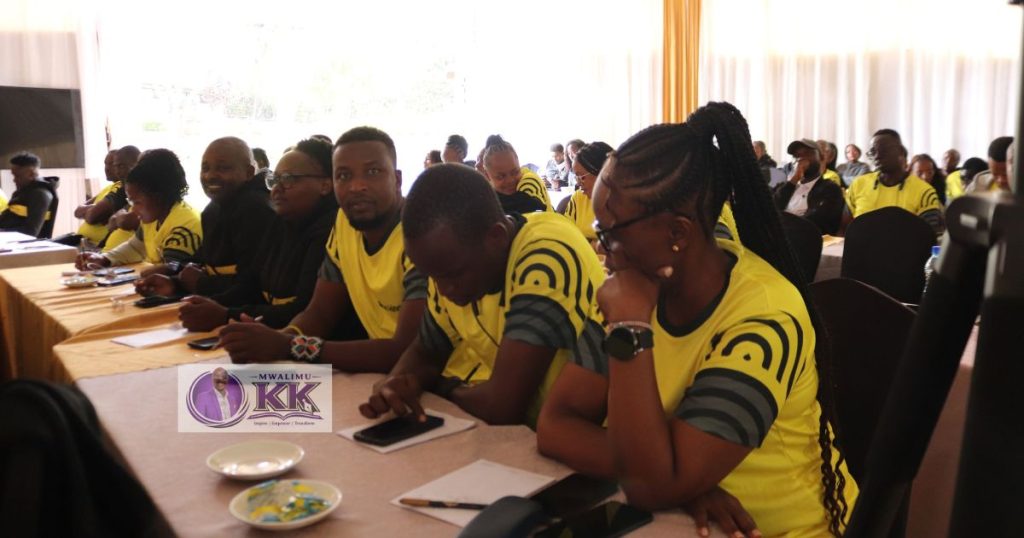
Key Benefits of Emotional Intelligence at Work.
When emotional intelligence improves, you will see changes in daily work life. Here are the top benefits of workplace emotional intelligence training.
1. Stronger Workplace Relationships.
Trust is the base of every good team. Emotional intelligence helps colleagues understand each other better, so they communicate with care. Staff stop guessing what others mean and start asking clear questions.
2. Better Communication.
Many office problems come from poor communication, such as harsh tone, unclear messages or poor listening. Training teaches people to speak calmly, listen fully and give feedback in a respectful way.
3. Smarter Decision-Making.
Strong emotions can cloud judgment. When staff learn to pause and think, they make better choices and avoid rushed decisions that they later regret.
4. Healthier Conflict Handling.
Disagreements are normal at work. What matters is how you handle them. Emotional intelligence gives your team simple tools to solve conflict fairly, without anger or blame.
5. Improved Leadership Skills.
Good leaders are not just smart; they are also self-aware and caring. Emotional intelligence for managers and leaders helps them motivate teams, coach staff and handle hard talks with respect.
6. Higher Productivity and Motivation.
People work harder when they feel respected and understood. A positive team spirit leads to better focus, better output and fewer wasted hours.
Who Needs Emotional Intelligence Training in Kenya?
Every organization can benefit, but some groups gain even more. Consider this training for:
- Managers and supervisors: They shape the mood and culture of the whole team.
- HR teams: They deal with staff problems, welfare and workplace relationships every day.
- Customer service teams: They meet clients who may be upset, rushed or hard to please.
- Sales teams: They need empathy and patience to build lasting client trust.
- Banks, SACCOs and insurance firms: Staff handle money matters that can stir strong emotions.
- Schools and colleges: Teachers and administrators work with students, parents and staff.
- Hospitals and clinics: Staff face stress and must show care in tough moments.
- NGOs and county offices: Teams often work in complex settings with many partners.
- New leaders and graduate trainees: They are building habits that will shape their careers.
What a Good Emotional Intelligence Training Program Covers.
A strong program is practical, simple and built for real workplace life. Here are the main topics you should expect.
- Understanding emotional intelligence: What it is, why it matters and how it affects work.
- Self-awareness exercises: Tools to help staff spot their own feelings, habits and triggers.
- Managing stress and pressure: Simple ways to stay calm and focused during busy periods.
- Controlling emotional reactions: How to pause, think and respond instead of reacting in anger.
- Empathy and active listening: How to truly hear others and understand their point of view.
- Giving and receiving feedback: How to share honest feedback with kindness and accept it without defence.
- Conflict resolution skills: Steps for solving disagreements fairly and keeping relationships strong.
- Teamwork and trust building: Group tasks that help people cooperate and rely on each other.
- Emotional intelligence in leadership: How leaders can inspire, coach and support their teams.
- Building a positive workplace culture: Daily habits that keep respect and kindness alive.
These topics can be mixed and matched. For example, a customer service team may focus on empathy and stress control, while managers may focus on leadership and feedback.
Training Formats You Can Choose From.
There is no single way to deliver emotional intelligence training. Pick the format that fits your team and schedule.
- Half-day workshops: A short session on one or two key skills. Good for busy teams.
- Full-day training: A deeper session with more practice, case studies and group work.
- Multi-day programs: A series of sessions that build skills step by step.
- In-house training: The trainer comes to your office, so staff save travel time.
- Off-site retreats: Your team learns in a calm venue away from daily work stress.
- Training with team building: Learning sessions are mixed with outdoor games and group challenges.
- Leadership coaching: One-on-one or small group sessions for managers and executives.
If you are not sure what suits you best, you can speak to the Kariuki Kamau team and we will guide you.
Practical Activities Used in Emotional Intelligence Training.
Good training is hands-on. People learn best when they practice, not just listen. Here are activities that bring emotional intelligence to life:
- Role plays: Staff act out real workplace situations, such as handling an angry customer or giving hard feedback.
- Listening games: Pairs practice listening without interrupting, then share what they heard.
- Emotion check-ins: Teams learn to name how they feel and talk about it in a healthy way.
- Case studies: Groups study real-life examples and discuss better ways to respond.
- Trust-building challenges: Group tasks that need cooperation, clear talk and patience.
- Reflection journals: Staff write down their reactions and lessons to build self-awareness.
- Feedback circles: Safe group sessions where people share kind and honest feedback.
These activities make the lessons stick, so staff use them when they return to work.
How to Choose the Best Emotional Intelligence Training Provider in Kenya.
The right provider makes a big difference. Use this simple checklist:
- Look for real experience. Ask how long they have trained teams and in which industries.
- Check the trainer’s style. A good trainer is warm, clear and practical, not just full of theory.
- Ask for tailored content. Your team has its own challenges, so avoid one-size-fits-all lessons.
- Look for practical methods. Role plays, group tasks and real examples work better than long lectures.
- Ask about follow-up support. The best providers help you keep the learning alive after the session.
- Read feedback and ask for references. Past clients can tell you what to expect.
- Confirm the details. Be clear about timing, venue, materials, group size and expected results.
You can learn more about our approach when you visit www.kariukikamau.com.
How to Measure the Results of Emotional Intelligence Training.
Good training should lead to real change. Set simple goals before you start, then check progress after a few weeks. Here are practical ways to measure results:
- Staff feedback: Ask employees how they feel about teamwork and communication.
- Customer feedback: Look for better reviews and fewer complaints.
- Team conflict: Check if disputes are fewer or solved faster.
- Staff turnover and absence: See if more people are staying and showing up.
- Manager observations: Ask leaders if they see calmer, kinder and more focused behaviour.
Refresher sessions help keep the new habits strong over time.
Tips to Get the Most From Emotional Intelligence Training.
- Start from the top. When leaders take part, the whole team follows.
- Explain the why. Tell staff why the training matters and what you hope to gain.
- Keep it practical. Choose activities that mirror real work situations.
- Create a safe space. People open up when they feel respected and not judged.
- Follow up. Short refreshers and team check-ins keep skills alive.
- Make it part of your culture. Praise good behaviour and set the example every day.
Why Choose Kariuki Kamau for Emotional Intelligence Training in Kenya?
At Kariuki Kamau, we believe that strong workplaces are built on respect, trust and clear communication. We design training that is simple, practical and built around your goals.
Here is what you can expect:
- Tailored programs for your company, team size and industry.
- Practical sessions with role plays, group tasks and real examples.
- Friendly and experienced trainers who keep sessions lively.
- Options for in-house, off-site and retreat-style training.
- Support with planning and venues.
- Clear communication from the first call to the final session.
Because every team is different, our programs are customized, so you only get what fits your needs.
Frequently Asked Questions About Emotional Intelligence Training in Kenya.
1. What is emotional intelligence training?
Emotional intelligence training is a learning program that teaches people to understand and manage their own emotions and to understand and respond well to others. It improves communication, teamwork, leadership and stress handling.
2. Why is emotional intelligence important in the workplace?
It helps staff communicate clearly, handle conflict, manage stress and build trust. Teams with strong emotional intelligence usually work better together and deliver better service to clients.
3. Who should attend emotional intelligence training in Kenya?
Managers, supervisors, HR teams, customer service staff, sales teams and new leaders benefit a lot. In fact, any employee can gain from it.
4. How long does emotional intelligence training take?
It can be a half-day workshop, a full-day session or a multi-day program. The right length depends on your goals, team size and the depth of skills you want to build.
5. How much does emotional intelligence training cost in Kenya?
The cost depends on the number of participants, the number of days, the venue, the materials and whether the training is in-house or off-site. Since each program is customized, the best way to get a clear quote is to contact www.kariukikamau.com with your needs.
6. Can emotional intelligence training be done at our office?
Yes. In-house training is common. The trainer comes to your workplace, which saves time and travel, and the content can be matched to your team.
7. Can emotional intelligence training be combined with team building?
Yes. Many companies mix learning sessions with outdoor games and group challenges. This keeps staff engaged and helps lessons stick.
8. Is emotional intelligence training good for managers and leaders?
Yes. Leaders set the tone for the whole team. Training helps them listen better, give fair feedback, manage stress and inspire trust.
9. How do I know if emotional intelligence training worked?
Look at staff feedback, customer reviews, conflict levels, turnover and manager observations. Set clear goals before training, then review progress after a few weeks.
10. How do I book emotional intelligence training in Kenya?
Share your goals, group size and preferred dates with our team. Visit www.kariukikamau.com, and we will design a program that fits your company.
Conclusion: Build a Workplace Where People Thrive.
Great results come from great relationships. Emotional intelligence training in Kenya gives your team the skills to stay calm, communicate clearly, solve conflict and support each other. The outcome is a stronger culture, happier staff and better results for your business.
Do not wait for tension, stress or high turnover to force a change. Start building a more positive and productive workplace today.
Ready to take the next step? Visit www.kariukikamau.com, share your goals and let us design a training program that helps your people grow and your business succeed.

