
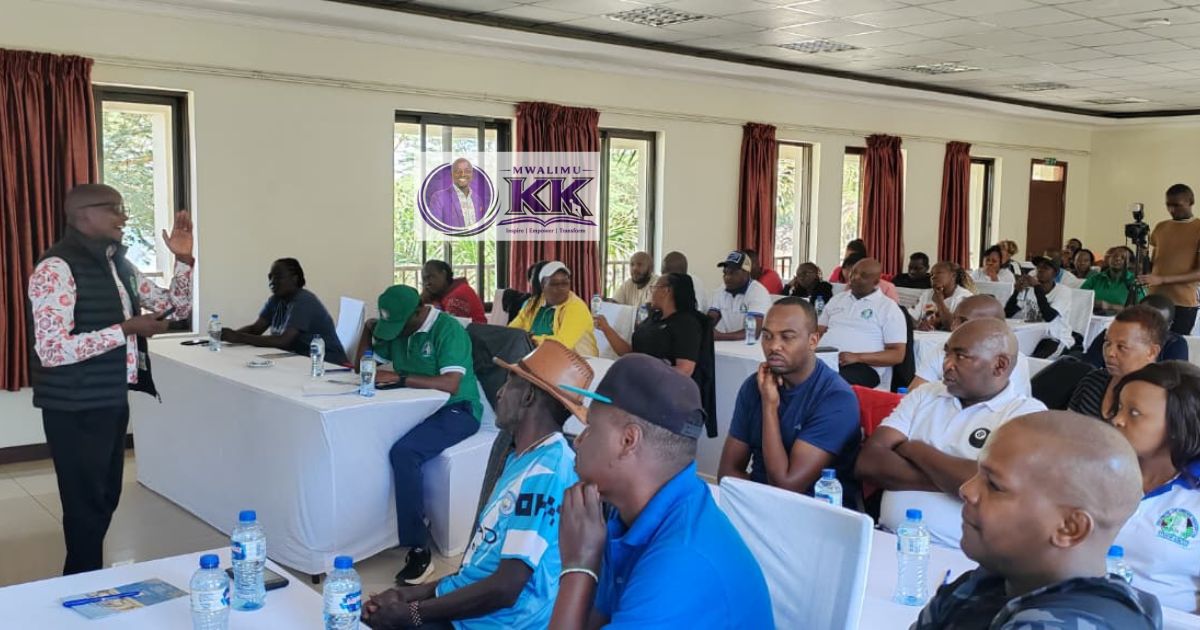
Corporate Governance Training in Kenya for Directors and Board Members.
One weak board decision can sink a strong company, and many Kenyan organizations learn this the hard way. Corporate Governance Training in Kenya gives directors and board members the skills to make clear, lawful and fair decisions. It protects the business, its owners and its good name. This guide explains what the training covers, who needs it and how to choose the right program. To arrange tailored sessions for your board, visit www.kariukikamau.com.
What Is Corporate Governance Training in Kenya?
Corporate governance is the system used to direct and control an organization. It sets out who makes decisions, how they are made and who is held responsible. Good governance keeps the board, management and owners working in the same direction.
Corporate governance training teaches directors how to run this system well. A good board governance training program covers the law, ethics, risk, finance and strategy. It also builds practical skills such as reading financial reports, running effective meetings and handling conflicts of interest.
The training is not only for new directors. Experienced board members also benefit, because laws, risks and best practices keep changing. A refresher keeps the whole board sharp and aligned.
Why Directors and Board Members Need Corporate Governance Training.
Many people join a board because of their career success. But being a good manager is not the same as being a good director. A director’s job is to guide and oversee, not to run daily operations. Training makes this difference clear.
Here are the main reasons board of directors training in Kenya matters:
- Legal duties are serious. Directors can face personal liability when they fail in their duties.
- Investors and lenders expect it. Strong governance builds trust and makes it easier to raise funds.
- It prevents costly mistakes. Fraud, weak controls and poor oversight often start with an untrained board.
- It improves decisions. A board that understands its role asks better questions and makes better choices.
- It protects reputation. One governance scandal can damage a brand for years.
In short, governance training is an investment in the safety and growth of the organization.
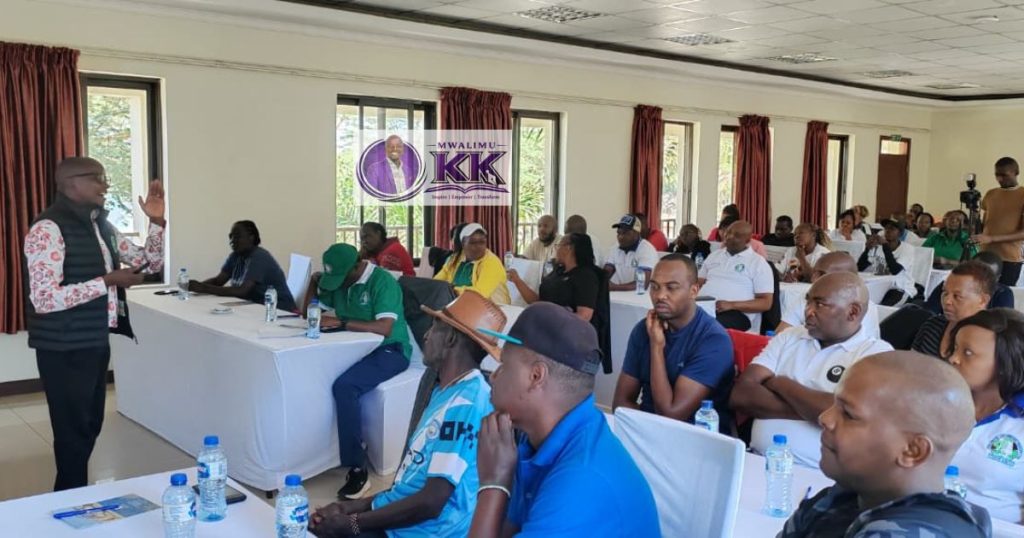
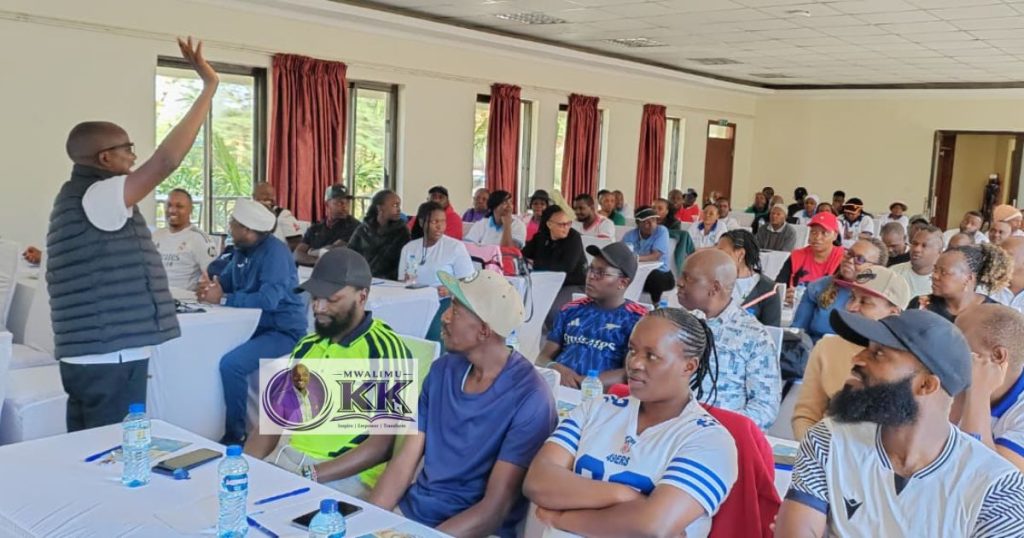
Kenyan Laws and Codes Every Director Should Know.
Directors in Kenya work within a clear legal and regulatory setting. A good corporate governance course for directors explains these rules in simple terms. Key examples include:
- The Companies Act, 2015: sets out directors’ duties, such as acting in good faith, using reasonable care and avoiding conflicts of interest.
- The Capital Markets Authority (CMA) Code of Corporate Governance: guides listed companies and issuers of securities to the public.
- The Mwongozo Code of Governance: applies to state corporations and public bodies.
- The Sacco Societies Act and SASRA guidelines: shape governance in SACCOs.
- Central Bank of Kenya guidelines: apply to banks and other regulated financial institutions.
- The Bribery Act, 2016: requires organizations to put proper anti-bribery procedures in place.
- The Data Protection Act, 2019: guides how boards oversee the handling of personal data.
- Chapter Six of the Constitution: sets leadership and integrity standards for public officers.
Because these rules change, regular director training programs in Kenya help boards stay compliant and avoid penalties.
Who Should Attend Corporate Governance Training?
Anyone with a seat at the decision-making table should attend. This includes:
- Executive and non-executive directors.
- Board chairpersons and vice-chairpersons.
- Independent directors.
- Company secretaries and governance officers.
- Audit, risk and finance committee members.
- SACCO board and supervisory committee members.
- NGO and foundation trustees.
- Family business owners preparing for succession.
- Newly appointed board members who need a proper induction.
Senior managers who report to the board also gain from the training. It helps them prepare better board papers and work smoothly with directors.
Key Topics Covered in Board of Directors Training in Kenya.
A strong program mixes theory with real examples from Kenyan boards. Below are the core topics to look for when choosing corporate governance training courses.
1. Roles and Responsibilities of the Board.
Directors learn the difference between governance and management. They study the duties of care, skill and loyalty. They also learn what the chairperson, the CEO and the company secretary each do.
2. Board Structure, Committees and Meetings.
This topic covers how to build a balanced board and set up committees such as audit, risk, nominations and remuneration. It also teaches how to plan agendas, write clear minutes and run focused, productive meetings.
3. Risk Management and Internal Controls.
Boards must understand the risks facing the business. Training shows directors how to review risk registers, support internal audit and ask the right questions about fraud, cyber threats and compliance gaps.
4. Financial Oversight for Non-Financial Directors.
Not every director is an accountant, and they do not need to be. This session teaches how to read financial statements, question budgets and understand key ratios, so every board member can give meaningful oversight.
5. Ethics, Integrity and Anti-Corruption.
Good governance depends on honest leadership. Directors learn how to set the tone from the top, manage conflicts of interest and build a culture where staff report wrongdoing without fear.
6. Strategy and Performance Monitoring.
The board approves the strategy and checks progress against it. Training explains how to challenge strategic plans, set clear targets and track results using simple dashboards.
7. Board Evaluation and Succession Planning.
Boards should review their own performance every year. This topic covers how to run a fair board evaluation, plan for director rotation and prepare future leaders.
8. Stakeholder Relations and Sustainability.
Modern boards must consider shareholders, employees, customers, regulators and the community. Training also introduces ESG (environmental, social and governance) topics that investors now care about.
Benefits of Corporate Governance Training for Your Organization.
The right training brings results you can see. Organizations that invest in their boards often enjoy:
- Clearer roles and fewer board conflicts.
- Faster, better-informed decisions.
- Stronger compliance with Kenyan laws and codes.
- Better risk control and fewer surprises.
- Higher trust from investors, banks and partners.
- Improved staff morale, because leaders set a good example.
- A stronger, more professional brand image.
These gains add up over time. A well-trained board becomes a real source of competitive advantage, not just a legal requirement.
Corporate Governance Training for Different Types of Boards.
Every organization has its own needs. A good provider adapts the content to your sector.
- Listed and Private Companies: Focus on the Companies Act, CMA rules, shareholder rights and board independence.
- SACCOs: Focus on SASRA requirements, member protection, loan oversight and the roles of the board and supervisory committee. Strong SACCO board governance training helps prevent mismanagement and protects member savings.
- State Corporations and County Entities: Focus on the Mwongozo Code, public finance rules, procurement oversight and performance contracting.
- NGOs and Foundations: Focus on donor compliance, accountability, transparency and the trustee’s role.
- Family Businesses: Focus on separating family and business matters, setting up a proper board and planning succession.
Training Formats: In-House, Public and Online.
You can choose the format that suits your board best.
- In-house training: The trainer comes to your office or a chosen venue. The content is customized to your company, and sensitive board issues can be discussed openly. This is often the best choice for a full board.
- Public workshops: Directors from different organizations attend together. This is good for networking and for sharing ideas across industries.
- Online training: Directors join live virtual sessions from anywhere. This works well for busy members and boards spread across different towns.
- Board retreats: A short, focused retreat combines governance training with strategy planning. Many boards use this to reset their goals for the year.
How to Choose the Best Corporate Governance Training Provider in Kenya.
Not all programs are equal. Use this simple checklist before you book:
- Check experience. Look for trainers with real boardroom and governance experience in Kenya.
- Review the content. Make sure it covers Kenyan laws, codes and real local case studies.
- Ask about customization. The training should fit your sector, your board size and your challenges.
- Look for practical methods. Group exercises, case studies and role plays work better than long lectures.
- Confirm certification. Ask whether participants receive a certificate of completion.
- Ask for references. Past clients can tell you how useful the training really was.
- Check follow-up support. The best providers offer materials and guidance after the session ends.
At www.kariukikamau.com, training is built around your board’s real needs, so every session is practical and easy to apply.
Common Governance Mistakes That Training Helps You Avoid.
Many boards fall into the same traps. Training helps you spot and fix them early:
- Directors who mix up their role with management work.
- Weak or missing conflict-of-interest rules.
- Poor record keeping and unclear minutes.
- Boards that never review their own performance.
- Lack of independent voices around the table.
- Ignoring risk until a crisis happens.
- Rubber-stamping management proposals without asking questions.
When directors know the warning signs, they can act before small problems become big losses.
What Affects the Cost of Corporate Governance Training?
Many readers search for the cost of corporate governance training in Kenya. Prices change over time, so it is better to understand what shapes the cost than to rely on a fixed number. The main factors are:
- The number of directors attending.
- The length and depth of the program.
- Whether the training is in-house, public or online.
- The venue and any travel needs.
- The level of customization required.
- Extra materials, assessments and follow-up support.
Request a quote that matches your exact needs. This way, you pay only for what your board truly requires.
Conclusion: Build a Stronger Board Today.
A strong board does not happen by chance. It is built through knowledge, discipline and regular learning. Corporate Governance Training in Kenya gives your directors the tools to protect your organization, follow the law and lead with confidence. It reduces risk, improves decisions and builds trust with everyone who depends on your success.
The cost of poor governance is always higher than the cost of good training. Do not wait for a crisis to expose the gaps in your boardroom. Take the first step today. Visit www.kariukikamau.com to book a customized governance program for your directors and board members, and turn your board into your greatest strength.
Frequently Asked Questions About Corporate Governance Training in Kenya.
1. What is corporate governance training in Kenya?
It is a structured program that teaches directors and board members how to lead and oversee an organization. It covers laws, ethics, risk, finance and strategy, with a focus on Kenyan rules and codes.
2. Who should attend corporate governance training?
Executive and non-executive directors, board chairs, independent directors, committee members, company secretaries, SACCO officials, NGO trustees and newly appointed board members should all attend.
3. How long does a corporate governance course for directors take?
It depends on the depth. Some programs run for one day, while others take several days or are split into modules. A www.kariukikamau.com program can be shaped to fit your board’s schedule.
4. Is corporate governance training required by law in Kenya?
The law does not name one single course for all directors. However, many regulators and codes expect directors to be skilled and informed, and regular training is widely seen as good practice.
5. What topics are covered in board of directors training?
Common topics include director duties, board structure, committees, risk management, financial oversight, ethics, strategy, board evaluation and stakeholder relations.
6. Can corporate governance training be customized for my company?
Yes. A good provider adjusts the content to your industry, board size and challenges. In-house sessions are the easiest way to get a fully tailored program.
7. Is online corporate governance training effective?
Yes, when it is live, interactive and uses real case studies. Online sessions suit busy directors, while in-person sessions work better for deep discussion and team bonding.
8. Do participants receive a certificate?
Most reputable programs give a certificate of completion. Always confirm this with the provider before you book.
9. How often should directors attend governance training?
Directors should have an induction when they join and a refresher at least once a year. Extra training is wise when laws change or when the company faces new risks.
10. How do I book corporate governance training in Kenya?
Contact the provider, share your board’s needs and request a tailored proposal. You can start by visiting www.kariukikamau.com to discuss your goals and choose the best format for your directors.

