
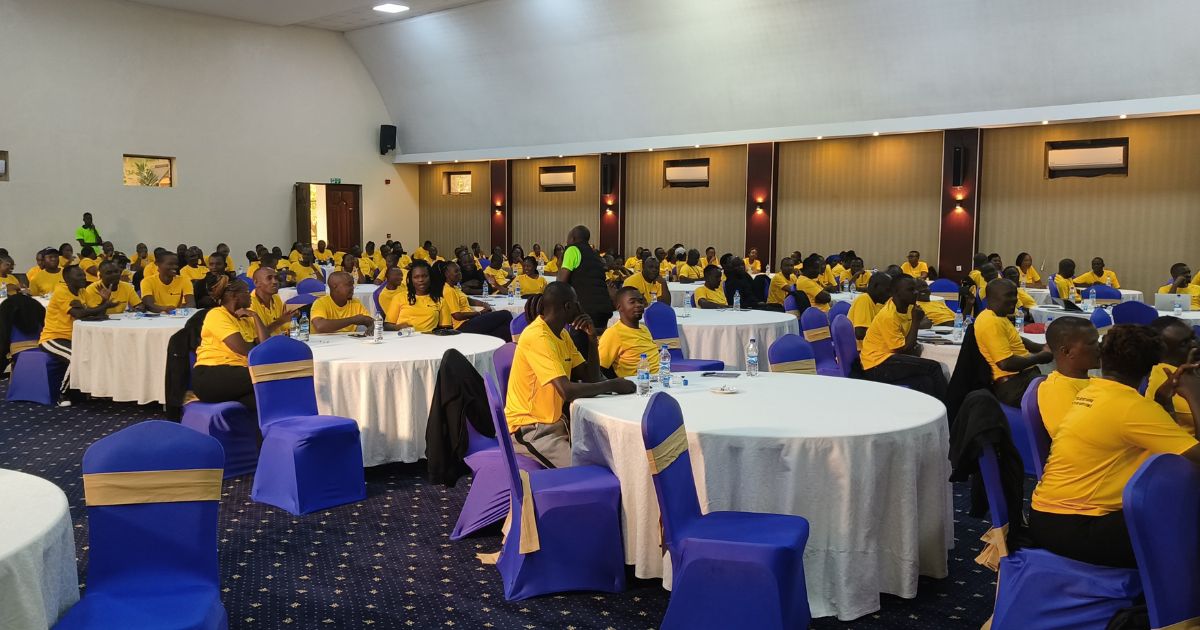
Staff Training Cost in Kenya: How Much Should Companies Budget?
Are you struggling to figure out how much your company should invest in employee development this year? The Staff Training Cost in Kenya is a critical factor for any human resources department looking to upskill their workforce efficiently. If you are looking for highly tailored, impactful and professional capacity-building programs, you can partner with the experts at www.kariukikamau.com. In this comprehensive guide, we will explore everything you need to know about setting a realistic training budget, understanding the core cost factors and maximizing your overall return on investment.
Why Employee Capacity Building is a Necessary Investment.
Before diving into how much you should spend, it is important to understand why you are spending it. In the modern Kenyan business landscape, the skills that made your company successful yesterday will not necessarily sustain it tomorrow. Markets are changing, technology is advancing and consumer expectations are higher than ever.
First and foremost, comprehensive corporate training drastically improves team performance and productivity. A well-trained employee operates faster, makes fewer costly mistakes and requires significantly less micromanagement. When staff members understand the latest industry tools and methodologies, they can optimize their daily workflows and produce better results in less time.
Secondly, regular training is one of the most effective ways to boost employee retention. High staff turnover is incredibly expensive. Recruiting, interviewing, onboarding and orienting a new hire costs far more than upskilling an existing employee. When a company invests in the professional growth of its staff, those employees feel valued and are much more likely to remain loyal to the organization.
Lastly, consistent capacity building creates a strong leadership pipeline. By offering management training in Kenya to your mid-level staff, you prepare them to take over senior roles in the future. This ensures business continuity and stability, allowing your company to scale operations smoothly without constantly searching for external executive talent.
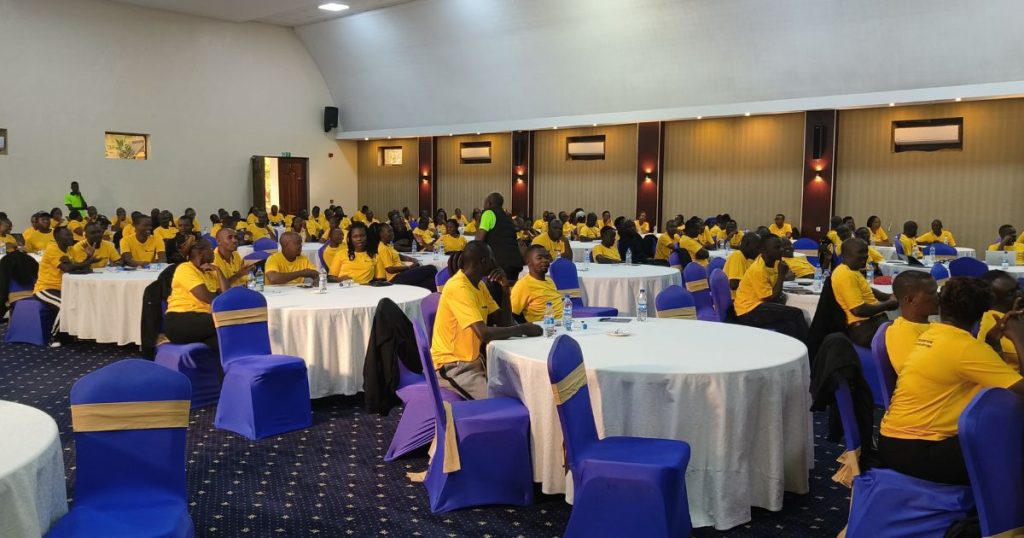

Major Factors Influencing the Staff Training Cost in Kenya.
When trying to determine an exact budget, business leaders must be careful of cost figures because they change with time. Inflation, changing economic policies and varying seasonal demands mean that rigid price tags quickly become outdated. Instead of looking for a fixed number, it is much wiser to understand the dynamic variables that dictate the overall expense.
1. Facilitator Expertise and Experience.
The quality of the trainer is the biggest cost driver. A newly established trainer will charge significantly less than an industry veteran with decades of proven corporate success. Highly sought-after experts who specialize in complex areas like executive coaching, change management or advanced corporate governance will naturally command premium rates compared to general motivational speakers.
2. Number of Participants.
The size of your group directly impacts the budget. Training five top-level executives requires a very different financial commitment than conducting a company-wide customer service workshop for two hundred employees. Many facilitators offer discounted per-person rates for larger groups, making mass training more cost-effective per capita.
3. Level of Program Customization.
An off-the-shelf, generic training module is usually cheaper because the facilitator does not need to spend time researching your specific business. However, highly customized programs that address your unique departmental bottlenecks require extensive preparation, pre-training assessments and tailored curriculum design, which increases the total investment.
4. Duration of the Training.
A two-hour virtual seminar will cost a fraction of a three-day intensive corporate retreat. The longer the training takes, the higher the facilitator fees and the more you will spend on supplementary costs like venue hire, meals and printed materials.
Budgeting Tiers: How to Structure Your HR Budget.
Because actual costs fluctuate, successful HR managers in Kenya categorize their training budgets into flexible tiers. This approach allows companies to allocate funds appropriately based on the priority of the skills being taught.
1. Budget-Friendly Internal Training.
If your company is operating on a tight budget, leveraging internal resources is a smart strategy. This involves using your own senior managers or department heads to train junior staff. The primary expense here is simply the opportunity cost of the time taken away from regular duties. It is highly effective for onboarding new hires and teaching standard operational procedures.
2. Mid-Range Standardized External Training.
This is the most common tier for medium-sized enterprises. It involves hiring external corporate training companies in Kenya to conduct standard workshops. These sessions often cover universal skills such as basic customer service, time management and workplace communication. Companies typically budget for the facilitator’s daily rate, basic printed materials and perhaps a modest off-site conference room.
3. Premium and Executive Coaching.
This top tier is reserved for high-impact interventions. It includes specialized leadership training, executive board retreats, and comprehensive change management programs. The budget here must accommodate elite corporate consultants, luxury off-site venues (like premium resorts in Naivasha or Thika) and extensive post-training evaluation tools. For premium, high-level facilitation, consulting with professionals at www.kariukikamau.com ensures your investment yields measurable business results.
In-House vs. Off-Site Training: A Cost Comparison.
The location of your training program heavily dictates the final bill. Choosing between hosting the event at your own offices or moving it to an external venue involves weighing both financial and psychological factors.
1. In-House Training Costs.
Hosting a workshop in your own company boardroom is highly cost-effective. You eliminate venue hire fees, transport logistics and premium catering costs. It is highly recommended for short, technical training sessions where employees need access to their desktop computers or specific office equipment. However, the downside is that employees are easily distracted by their regular work environment.
2. Off-Site Training Costs.
Taking your team to a designated corporate venue requires a larger budget. You must factor in conference room hire, morning teas, buffet lunches and potentially overnight accommodation if it is a weekend retreat. Despite the higher expense, off-site training is incredibly powerful for team building, leadership strategy sessions and soft skills development. Removing staff from the office environment eliminates daily distractions and fosters deep, focused engagement.
The Impact of NITA on Your Corporate Training Budget.
No discussion about the Staff Training Cost in Kenya is complete without mentioning the National Industrial Training Authority (NITA). Understanding NITA compliance is arguably the most important budgeting tool for any Kenyan HR department.
By law, Kenyan employers are required to pay an industrial training levy. Currently, this is a statutory monthly or annual contribution per employee. While some business owners view this as just another tax, it is actually a massive financial advantage if utilized correctly.
When a company is fully compliant with NITA levy payments, they become eligible to claim reimbursements for the training costs they incur. This means that if you hire a NITA-accredited training provider to upskill your staff, a significant portion of that expense can be refunded by the authority. This mechanism is designed to encourage employers to continuously develop their workforce. By integrating NITA reimbursements into your financial planning, you can drastically reduce your net training expenditure and afford higher-quality facilitators.
Hidden Expenses Every HR Manager Should Anticipate.
When presenting a budget for approval, many HR managers make the mistake of only quoting the facilitator’s fee. To avoid unexpected financial shocks, you must account for several hidden expenses associated with capacity-building programs.
- Logistics and Transportation: If you are hosting an off-site event, how are the employees getting there? Hiring corporate buses or reimbursing fuel mileage adds up quickly.
- Training Materials and Software: Specialized training might require purchasing new software licenses, printing thick technical manuals or buying physical props for experiential learning games.
- Catering and Refreshments: Even for in-house training, providing quality meals, snacks and continuous bottled water is essential to keep energy levels high throughout the day.
- Opportunity Cost: The most significant hidden cost is the temporary halt in daily productivity. While staff are in a seminar, client emails may be delayed and sales calls might be missed. You must budget for the temporary drop in operational output.
Best Practices for Maximizing Your Training ROI.
Spending money on training is easy; ensuring that the investment translates into higher profits is the real challenge. To maximize the return on your training budget, you must be strategic in your execution.
First, always conduct a comprehensive Training Needs Assessment (TNA) before hiring a facilitator. A TNA identifies the exact skills gaps within your organization. Instead of wasting money on generic courses that your staff do not actually need, a TNA ensures that every shilling is directed toward solving a specific, existing problem.
Secondly, encourage a culture of continuous learning rather than relying on one-off events. A single, expensive workshop will be quickly forgotten if it is not reinforced. Implement micro-learning strategies where employees receive short, continuous refresher courses throughout the year.
Finally, track the results meticulously. Before the training begins, establish clear Key Performance Indicators (KPIs). Are you trying to reduce customer complaints by 20%? Are you aiming to close sales 15% faster? By measuring these metrics before and after the training, you can accurately calculate the financial impact of the program and justify future training budgets to the executive board.
Conclusion: Staff Training Cost in Kenya.
Understanding and managing the Staff Training Cost in Kenya is a fundamental responsibility for any growing organization. While the initial financial outlay may seem daunting, the long-term benefits of a highly skilled, motivated and efficient workforce far outweigh the expenses. Because specific prices change with time, the most successful companies focus on flexible budgeting frameworks, leveraging internal resources, utilizing NITA reimbursements and prioritizing targeted skills development.
Investing in your people is the only guaranteed way to secure your company’s future in a rapidly evolving market. Do not let the fear of costs hold your organization back from achieving its true potential. To explore customized, high-impact corporate training solutions that fit your specific budgetary needs and deliver measurable workplace transformations, visit www.kariukikamau.com today and empower your team for tomorrow’s success.
Frequently Asked Questions (FAQs) on Staff Training Cost in Kenya.
1. What is the average Staff Training Cost in Kenya?
It is difficult to provide an exact figure because cost figures change with time due to inflation and varying market demands. The cost depends entirely on the facilitator’s expertise, the duration of the program, the number of participants and whether the training is held in-house or off-site.
2. How can companies reduce the cost of corporate training?
Companies can lower expenses by conducting training sessions in-house to save on venue costs, utilizing internal senior staff to train junior employees and taking full advantage of NITA reimbursements to offset external facilitation fees.
3. What is NITA and how does it affect training budgets?
The National Industrial Training Authority (NITA) is a state corporation that regulates industrial training in Kenya. Employers pay a mandatory training levy. In return, compliant employers can apply for financial reimbursements when they train their staff using accredited institutions or facilitators, effectively reducing the net cost of training.
4. Why should we hire professional corporate trainers instead of doing it internally?
While internal training is cheap, external professional facilitators bring objective perspectives, specialized adult-learning methodologies and up-to-date global industry trends that internal managers may lack. For high-level corporate training, you can book experienced experts through www.kariukikamau.com.
5. How do we measure the ROI of employee training?
You measure Return on Investment by establishing clear KPIs before the training begins (such as sales numbers, customer satisfaction scores or production error rates). After the training, evaluate these metrics again. If the improvements result in higher revenue or savings that exceed the training cost, your ROI is positive.
6. Does the size of the group affect the training budget?
Yes. Facilitators often charge a flat daily rate or a per-person fee. While a larger group increases the total cost regarding catering and venue size, the cost per employee generally decreases, making large group workshops more economical per capita.
7. Should we budget for off-site or in-house training?
This depends on your goals. Technical, software-based training is usually best done in-house where equipment is available. However, leadership development, team building and strategic planning yield much better results off-site, away from daily office distractions.
8. What are the hidden costs of staff training?
Beyond the facilitator’s fee, you must budget for venue hire, transport logistics, employee catering, printing of training manuals and the operational opportunity cost of having employees away from their desks for the day.
9. How often should a company budget for staff training?
Successful organizations do not treat training as an annual afterthought. Instead, they integrate capacity building into their core monthly or quarterly operational budgets, ensuring that continuous learning happens year-round to keep up with industry changes.
10. Where can I find highly customized corporate training programs in Kenya?
For expertly tailored capacity-building sessions, leadership coaching and team-building workshops that address your company’s specific challenges and fit your corporate budget, visit www.kariukikamau.com to request a customized program.


