
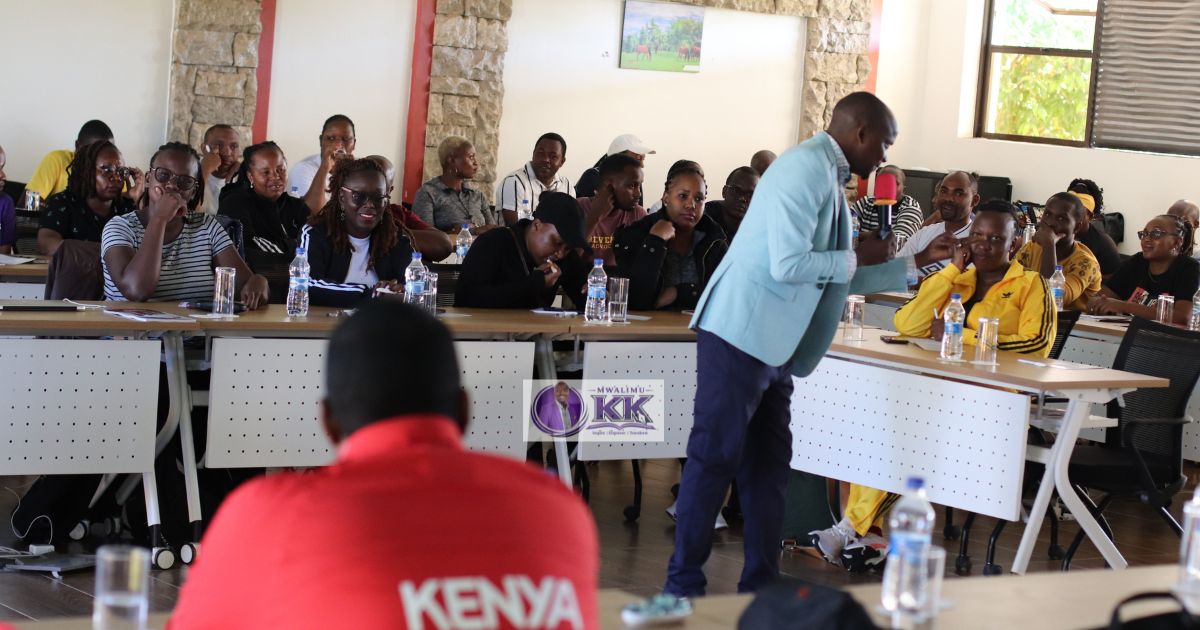
Leadership Training in Nairobi: Corporate Programs for Managers & Executives.
Every great company is powered by exceptional leaders, but these leaders are rarely born overnight—they are built through intentional coaching, practical experience and expert guidance. When you want to transform your managers into visionary drivers of business success, investing in professional leadership training in Nairobi is the most strategic decision you can make. At www.kariukikamau.com, we understand that bridging the gap between average management and exceptional executive leadership requires targeted, high-impact corporate training programs.
Why Corporate Leadership Training in Nairobi is Critical Today.
Nairobi is rapidly evolving as the premier business hub of East Africa. From multinational corporations setting up regional headquarters in Westlands and Upper Hill to dynamic tech startups driving the “Silicon Savannah,” the business landscape is more vibrant than ever.
However, this rapid growth brings unique management challenges. Companies can no longer rely on outdated, top-down management styles that simply dictate orders. Modern employees demand empathy, clear communication, collaborative work environments and a clear sense of purpose.
This is exactly where specialized management training in Kenya becomes indispensable. Many organizations make the fundamental mistake of promoting their top-performing employees to management roles without providing them with the necessary tools to lead people. A brilliant software engineer, a meticulous accountant or an aggressive sales executive does not automatically become an effective team leader.
Without proper foundational guidance, these newly promoted managers often struggle with delegation, workplace conflict resolution and strategic planning. Comprehensive corporate leadership training bridges this critical skills gap, equipping professionals with the psychological frameworks and strategic methodologies needed to inspire, guide and elevate their teams to peak performance.
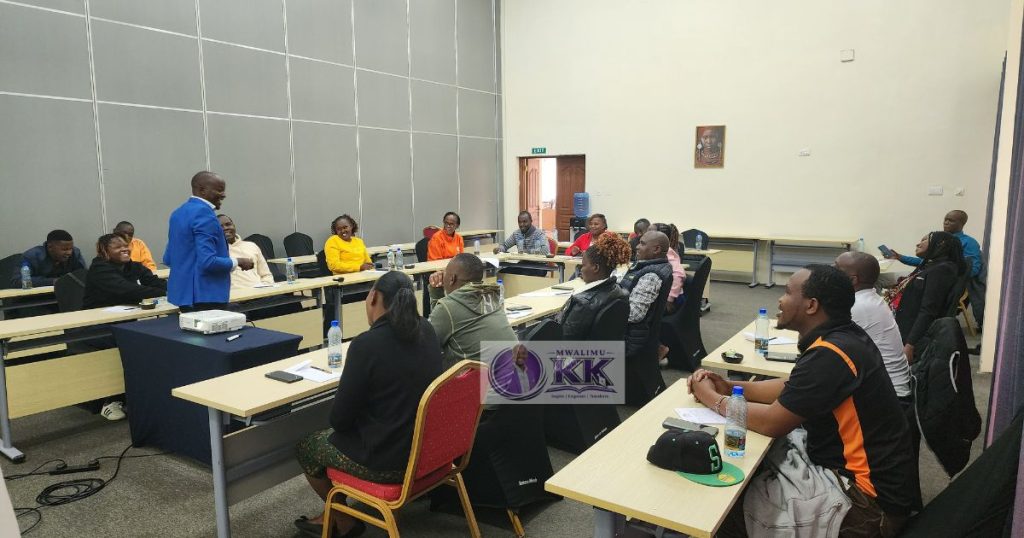
The Core Benefits of Executive Leadership Development in Nairobi.
Investing in your leadership team offers compounding returns that echo throughout the entire organization. When executives and managers undergo structured, professional development, the benefits stretch far beyond the boardroom and directly impact the company’s bottom line.
1. Enhanced Employee Retention and Engagement.
There is a well-known corporate adage: “Employees do not leave bad companies; they leave bad managers.” High employee turnover rates are incredibly costly, disrupting project continuity, damaging client relationships and heavily inflating recruitment and onboarding budgets. Through effective supervisory skills training in Nairobi companies can teach their managers how to cultivate a positive, inclusive and deeply motivating workplace. Leaders who know how to recognize individual achievements, provide constructive rather than destructive feedback and actively support career growth naturally foster much higher employee loyalty and daily engagement.
2. Superior Decision-Making and Problem-Solving.
In the fast-paced Kenyan market, indecision can quickly cost a company its competitive edge. Leadership coaching in Nairobi focuses heavily on analytical thinking, risk assessment and strategic execution. Managers learn how to accurately assess complex situations, weigh potential financial and operational risks and make firm, data-driven decisions even under immense corporate pressure. By removing the fear of failure and replacing it with structured problem-solving methodologies, corporate trainers empower leaders to act decisively and confidently when it matters most.
3. Streamlined Conflict Resolution.
Whenever diverse groups of people work together in a high-stakes environment, disagreements are inevitable. However, workplace conflict does not have to be destructive. A critical component of executive leadership development Nairobi programs is teaching managers how to handle interpersonal disputes diplomatically and fairly. Leaders are rigorously trained to identify the root causes of workplace friction, mediate sensitive discussions without showing bias and turn potential corporate crises into opportunities for team bonding and process improvement.
4. Better Alignment with Business Goals.
Often, there is a frustrating disconnect between the broad, visionary goals set by the C-suite and the daily operations executed by the frontline team. Effective leadership training ensures that mid-level managers truly understand how to translate high-level corporate strategies into actionable, trackable daily tasks for their specific departments. This vital alignment ensures that every single employee is pulling in the same direction, eliminating wasted effort and maximizing overall corporate efficiency.
Who Should Attend Management Training Programs?
Corporate leadership development is not a one-size-fits-all solution. Different levels of management require vastly different skill sets to succeed in their specific roles. A comprehensive organizational training strategy should target professionals at every stage of the corporate ladder to ensure unified leadership language across the company.
1. First-Time Managers and Supervisors.
Transitioning from a peer to a boss is widely considered one of the most difficult leaps in a professional’s career. Suddenly, you are responsible for evaluating the performance of people who were very recently your equals. Supervisory skills training programs in Nairobi are tailored specifically for these emerging leaders. The intensive curriculum focuses on the essential fundamentals of management: effective delegation, running productive team meetings, mastering time management and setting clear, respectful performance boundaries.
2. Mid-Level Managers.
Mid-level managers are the critical operational bridge between executive leadership and frontline employees. They face the unique, high-pressure challenge of managing upwards to the board while simultaneously leading their own departmental teams. Corporate leadership training in Kenya for this specific group focuses heavily on cross-functional collaboration, advanced resource allocation and large-scale project management. These leaders learn how to expertly balance the aggressive demands of the board with the operational realities and limitations of their staff.
3. C-Suite Executives and Senior Directors.
Even the most seasoned CEOs, CFOs and C-level executives require continuous development. The global business world is constantly shifting, heavily influenced by global economic trends, new disruptive technologies and rapidly changing consumer behaviors. Executive coaching at this elite level focuses on legacy building, robust corporate governance, organizational culture transformation and advanced emotional intelligence. It provides a highly confidential, safe space for top executives to refine their long-term vision and test new strategic ideas with the guidance of expert corporate trainers in Nairobi.
Essential Modules in a Top-Tier Corporate Leadership Program.
When you partner with a reputable, high-quality provider like www.kariukikamau.com, you should expect a robust curriculum that goes far beyond generic textbook theories. The best leadership workshops are highly interactive, incorporating real-world Kenyan case studies, intense role-playing scenarios and data-driven psychometric assessments. Here are the core modules that drive true behavioral and cultural change.
1. Emotional Intelligence (EQ) in Leadership.
Traditional management relied heavily on pure IQ and hard technical expertise. Today, Emotional Intelligence is widely recognized as the defining trait of successful leaders. Emotional intelligence training in Kenya helps managers deeply develop self-awareness, self-regulation, intrinsic motivation, empathy and advanced social skills. Leaders possessing high EQ are much better equipped to handle severe workplace stress, read the unspoken emotional temperature of their team and respond to business crises with calm authority rather than reactive frustration.
2. Strategic Communication and Active Listening.
Communication in leadership is much more than just sending detailed emails and issuing verbal directives. It is about ensuring your core message is completely understood, enthusiastically accepted and rapidly acted upon. Training programs dive deep into the subtle nuances of verbal and non-verbal communication. Managers master the rare art of active listening—hearing what is not being said by their team members. They also practice delivering difficult disciplinary news, conducting effective performance appraisals and utilizing public speaking to inspire large groups of employees.
3. Change Management and Adaptability.
Whether it is adopting new artificial intelligence software, restructuring major departments or navigating unexpected economic downturns, change is the only constant in modern business. Change management workshops teach leaders how to guide their nervous teams through structural transitions smoothly. Managers learn how to clearly communicate the critical “why” behind organizational changes, strategically manage employee resistance and maintain high productivity during periods of severe uncertainty.
4. Fostering Innovation and Creative Thinking.
To stay ahead of the competition, companies must continuously innovate. Modern leadership training includes dedicated modules on how to build a psychologically safe environment where employees feel comfortable sharing unconventional ideas. Leaders are taught how to move away from micromanagement and instead foster a culture of creative problem-solving, where calculated risks are encouraged and failures are viewed as valuable learning opportunities rather than punishable offenses.
How to Choose the Best Corporate Trainers in Nairobi.
With numerous consultants and independent agencies offering management training across the city, selecting the exact right partner for your organization requires careful, deliberate consideration. A poorly designed program will only waste valuable time and corporate resources, while the right program will trigger a massive return on investment.
1. Demand Strict Customization.
Strongly avoid off-the-shelf, generic training packages. The absolute best corporate trainers will take the required time to conduct a thorough needs assessment within your company before any training begins. They must understand your specific industry, your unique organizational bottlenecks and your ultimate business objectives.
2. Insist on Practical and Experiential Learning.
Corporate adults learn best by doing. Ensure that the proposed training methodology includes live simulations, structured group discussions and practical problem-solving exercises directly relevant to your daily operations. Purely lecture-based seminars rarely result in any long-term behavioral change.
3. Verify a Proven Track Record.
Deeply investigate the trainer’s past client portfolio. Do they have extensive experience working specifically with Kenyan businesses? Can they provide verifiable, positive testimonials from notable executives? An expert with deep, localized knowledge of the East African market dynamics will provide much more relevant insights than someone applying purely theoretical, Western-centric models.
4. Check for Post-Training Support.
Leadership development is a continuous, evolving journey, not an isolated one-day event. The most effective corporate programs offer extensive post-training coaching, follow-up behavioral assessments and strict accountability check-ins to ensure that the newly acquired skills are being successfully implemented in the daily workplace. You can discover tailored, high-impact solutions that fit these exact criteria by visiting www.kariukikamau.com for a customized consultation.
Measuring the ROI of Leadership training in Nairobi.
Executives and board members naturally want to know if their significant investment in training is yielding tangible financial results. While leadership is inherently qualitative, its impact can and should be heavily measured quantitatively. To accurately assess the massive return on investment for your leadership development initiatives, strictly track the following metrics before and after the program:
- Employee Turnover Rates: A noticeable, sustained drop in staff resignations, particularly within historically problematic departments, is a very strong indicator that management practices have vastly improved.
- Productivity and Output Metrics: Carefully track the speed, volume and quality of project completions. Well-led, highly motivated teams hit their corporate targets significantly faster and with far fewer costly errors.
- Customer Satisfaction (CSAT) and Client Retention: Happy, well-managed employees naturally provide much better customer service. An uptick in positive client feedback and customer retention often directly correlates to improved internal leadership.
- Employee Net Promoter Score (eNPS): Conduct highly anonymous internal surveys asking employees how likely they are to genuinely recommend the company as a great place to work. Improved leadership directly and immediately boosts employee satisfaction scores.
The Future of Leadership: Emerging Trends in Kenya.
The corporate world is shifting at unprecedented speeds, and foundational leadership paradigms are rapidly evolving with it. In Nairobi, we are seeing a strong, undeniable move towards “Servant Leadership,” where the primary, driving goal of the manager is to serve, coach and empower their team, rather than simply issuing top-down orders.
Furthermore, the permanent rise of remote and hybrid work models means that leaders must now learn how to manage heavily distributed teams effectively. Building deep trust, seamlessly maintaining company culture across digital platforms and managing raw performance without resorting to toxic micromanaging are quickly becoming the most highly sought-after skills in the modern Kenyan workplace. Staying ahead of these massive trends requires highly proactive development. Companies that heavily invest in modern, agile leadership styles will effortlessly attract the top market talent, while those stubbornly clinging to autocratic management will severely struggle to survive in the new digital economy.
Conclusion: leadership training in Nairobi.
A company’s ultimate growth and market dominance are heavily capped by the quality of its internal leadership. In today’s increasingly complex, competitive and fast-paced business environment, you simply cannot afford to leave the development of your managers to chance. By actively prioritizing leadership training in Nairobi, you are investing directly in the daily operational efficiency, long-term cultural health and sustainable profitability of your entire organization. Empowered, well-trained leaders create deeply engaged teams and engaged teams consistently drive exceptional, market-leading business results.
Do not wait for poor management practices to cost you your best talent, alienate your top clients, or erode your hard-earned competitive edge. Take the proactive, strategic step today to comprehensively build a resilient, forward-thinking leadership team that can successfully navigate any corporate challenge. To thoroughly explore customized, high-impact corporate programs specifically designed for your managers and executives, visit www.kariukikamau.com and start your organization’s ultimate transformation journey today.
Frequently Asked Questions About leadership training in Nairobi.
1. What exactly is leadership training in Nairobi?
Leadership training in Nairobi involves structured, highly professional development programs specifically designed to improve the management, communication and strategic problem-solving skills of corporate professionals in Kenya. It deeply equips leaders with the practical tools to manage diverse teams effectively and aggressively drive business growth.
2. Who should specifically attend corporate leadership programs?
These comprehensive programs are highly beneficial for newly promoted supervisors, established mid-level managers and senior C-suite executives. Essentially, anyone responsible for managing people, making high-stakes strategic decisions or driving organizational change should participate in continuous, professional leadership development.
3. How long does executive management training usually take to complete?
The overall duration heavily varies based on the specific company’s needs. It can range from intensive one-day or two-day off-site team workshops to highly detailed, long-term executive coaching engagements that span several months with regular, structured check-ins.
4. What specific, practical topics are covered in supervisory skills training?
Supervisory training typically covers absolute essential management fundamentals. This includes the art of effective delegation, mastering time management, advanced conflict resolution, conducting fair performance evaluations and proven psychological techniques for deeply motivating individual team members.
5. How much does professional leadership coaching generally cost in Kenya?
The total cost depends heavily on the detailed scope of the program, the total number of participants and the depth of customization required. However, investing in expert corporate trainers in Nairobi is incredibly cost-effective when properly weighed against the massive financial losses associated with high employee turnover, low morale and poor daily management.
6. Can the training program be fully customized for our specific industry?
Absolutely. The most effective corporate trainers thoroughly tailor their teaching modules, case studies and practical group exercises. This helps to match the unique challenges, terminology and market realities of your specific industry. For example whether it is finance, technology, modern manufacturing, or hospitality.
7. How do we accurately measure the success of the leadership program?
Success is definitively measured by tracking key performance indicators before and after the training. Executives should closely look for positive improvements in employee retention rates, notably higher scores on internal employee satisfaction surveys (eNPS), faster conflict resolution and overall increased departmental productivity and output.
8. Do you offer convenient in-house or dedicated off-site training sessions?
Professional training providers offer both highly flexible options. In-house training is very convenient and highly cost-effective for large groups. However off-site training (such as team building and leadership Kenya retreats) removes participants from daily office distractions, fostering much deeper focus, psychological safety and vital team bonding.
9. Why is emotional intelligence so important for modern Kenyan managers?
Emotional intelligence actively allows managers to deeply understand and optimally manage their own emotions while effectively, empathetically navigating the emotions of their team. In the highly diverse Kenyan workplace, high EQ directly leads to much better communication, stronger empathy and a highly inclusive, exceptionally productive corporate culture.
10. How can I easily book a customized leadership training session for my team?
Booking a customized corporate training session is very simple. Reach out directly to expert trainers to thoroughly discuss your team’s specific needs, carefully assess your broader organizational goals and design a fully bespoke program. Visit www.kariukikamau.com to seamlessly schedule a detailed consultation and instantly elevate your management team today.

