
Online Corporate Training in Kenya: Benefits, Challenges and How It Works.
Your best employees can learn new skills without leaving their desks, and your company never has to shut down for a training day. That is the power of online corporate training in Kenya. It helps companies train staff faster, reach teams in different towns, and see better results at work. In this guide, you will learn the benefits, the challenges and exactly how it works. To explore professional training solutions, visit www.kariukikamau.com.
What Is Online Corporate Training in Kenya?
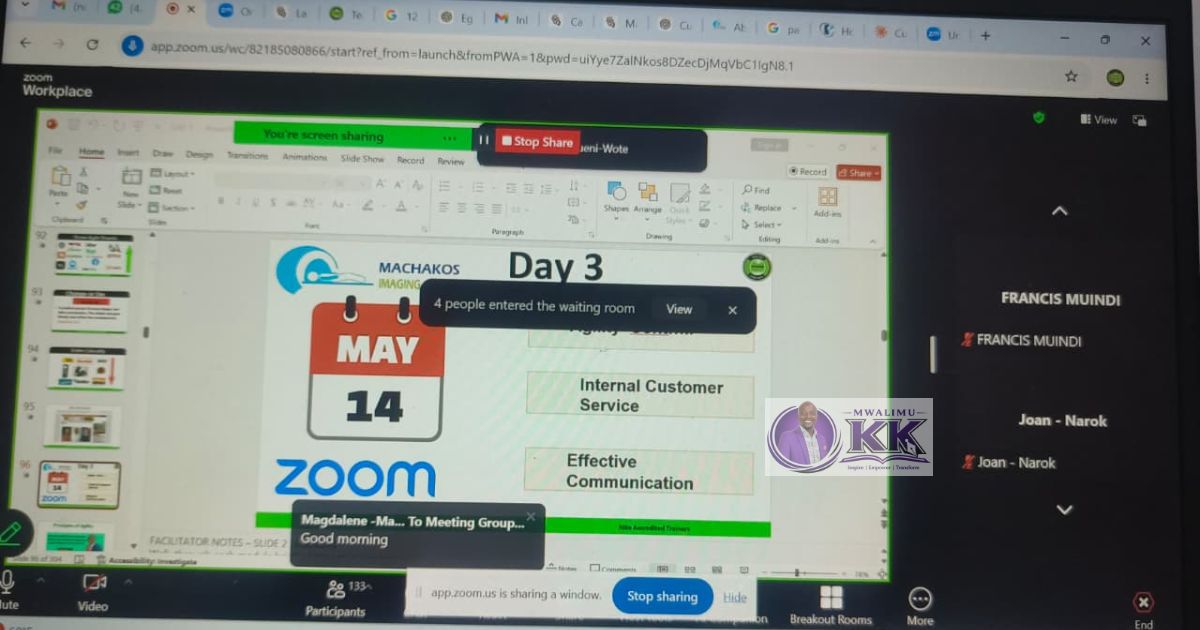
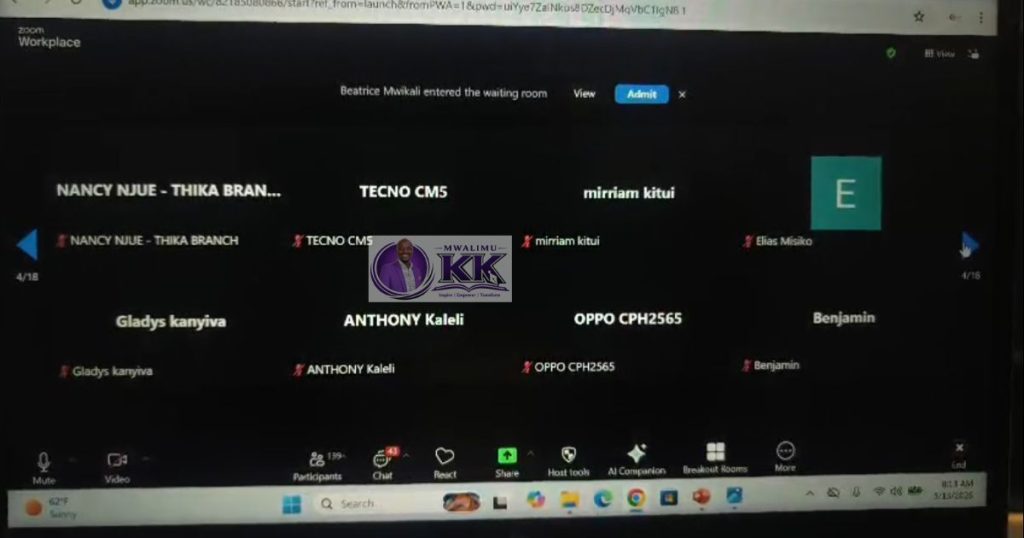
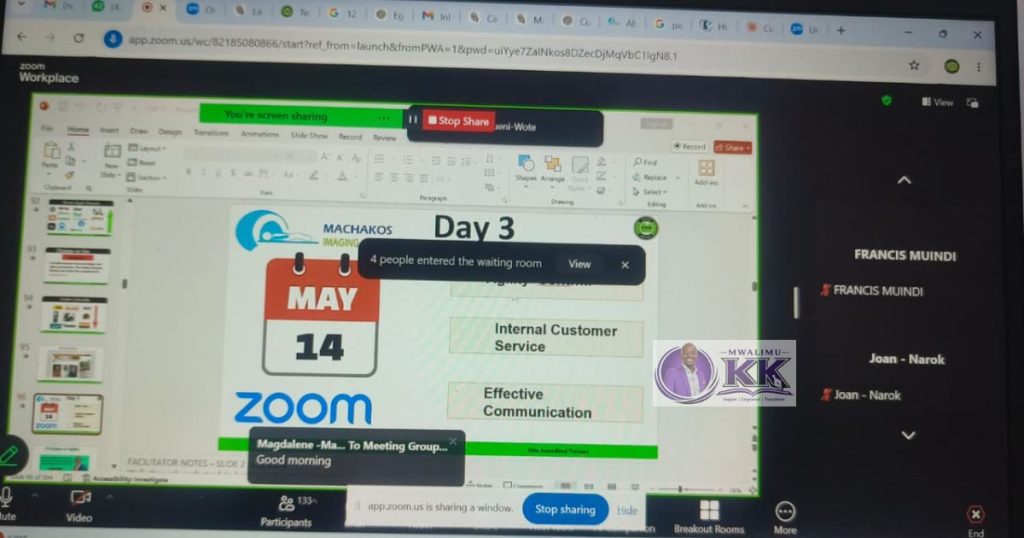
Online corporate training in Kenya is a way of teaching employees new skills through the internet. Instead of sitting in a hall or hotel conference room, staff learn using a laptop, tablet or smartphone. The training can be live, where a trainer teaches through video, or recorded, where staff learn at their own time.
Many people also call it virtual training, e-learning in Kenya, remote staff training or corporate e-learning. They all mean the same thing: employee training programs delivered online.
This method is now used by banks, SACCOs, hospitals, schools, manufacturers, NGOs, government agencies and small businesses. If your team needs new skills, online learning gives you a flexible and affordable way to get there.
Why Online Corporate Training in Kenya Is Growing Fast.
Kenya’s workplaces have changed. More companies now use hybrid work, remote teams and digital tools. At the same time, internet access, smartphone use and mobile data have improved in many parts of the country.
Here are the main reasons companies are choosing online staff training:
- Teams work in different branches, counties and time zones.
- Companies want to reduce travel, venue and accommodation costs.
- Employees prefer flexible learning that fits their schedule.
- Tools like Zoom, Microsoft Teams and Google Meet are now familiar to most workers.
- Businesses need faster ways to train new hires and upskill existing staff.
Because of these changes, online corporate training in Kenya is no longer a “nice to have.” For many companies, it is now a smart business strategy.
Benefits of Online Corporate Training in Kenya.
Let us look at the biggest advantages for your business and your employees.
1. Lower Training Costs.
Classroom training comes with many extra costs: venue hire, transport, meals, printed materials and sometimes accommodation. Online training removes most of these. Your budget goes into quality content and expert trainers instead. This makes affordable corporate training in Kenya possible even for small and medium businesses.
2. Saves Time and Reduces Downtime.
When staff travel to a training venue, you lose working hours. With online sessions, employees join from the office or home. Sessions can be shorter and spread across several weeks, so work continues without big interruptions.
3. Reach Staff in Any Location.
A company with branches in Nairobi, Mombasa, Kisumu, Eldoret and Nakuru can train everyone at the same time. All employees receive the same message, the same quality and the same standards. This is a major win for national and regional teams.
4. Flexible Learning for Busy Employees.
With self-paced courses, employees choose when to learn. A sales officer can learn early in the morning, while a customer service agent studies after a shift. This flexibility improves completion rates and reduces stress.
5. Consistent Training Quality.
In classroom sessions, the experience can change from one group to another. Online training keeps the content uniform. Every learner gets the same lessons, assessments and materials.
6. Easy Progress Tracking and Reporting.
Most learning management systems (LMS) track attendance, quiz scores and course completion. Managers can see who is learning and who needs support. This makes it easier to measure the return on investment (ROI) of staff training.
7. Learn Anytime with Recorded Content.
Recorded sessions can be replayed again and again. New hires can watch the same training months later, and busy staff can catch up on missed sessions. This turns one training session into a lasting company resource.
8. Supports Continuous Professional Development.
Learning is not a one-day event. Online platforms allow short lessons, refresher modules and regular skill updates. This helps build a strong learning culture where employees keep growing.
Challenges of Online Corporate Training in Kenya (and How to Solve Them).
Online learning is powerful, but it is not perfect. Being honest about the challenges helps you plan better. Here are the most common ones and practical solutions.
1. Internet Connectivity and Data Costs.
Some employees live in areas with weak networks, and data bundles can be costly. This can interrupt live sessions.
Solution: Offer recorded sessions, lightweight course files and short lessons. Allow employees to download materials. Consider a data allowance for learners where possible.
2. Low Learner Engagement.
It is easy to lose attention when learners sit alone in front of a screen. Some people join the call but do not participate.
Solution: Use polls, group discussions, breakout rooms, real case studies and short activities. Keep sessions interactive and limit lectures to short segments.
3. Limited Digital Skills.
Not every employee is comfortable with online tools. Some staff may struggle with logging in or using learning platforms.
Solution: Run a short orientation session before the main training. Share simple step-by-step guides and offer technical support during the first sessions.
4. Lack of Hands-On Practice.
Skills like teamwork, leadership and customer care often need real practice. Pure video lessons may not be enough.
Solution: Use role plays, live scenarios and practical assignments. A blended learning approach, which mixes online lessons with an in-person workshop, works very well here.
5. Distractions at Home or in the Office.
Emails, phone calls and household noise can pull learners away from the session.
Solution: Schedule training at set times, ask managers to protect learning hours, and encourage staff to switch off notifications during sessions.
6. Resistance to Change.
Some managers and employees still believe real learning only happens in a classroom.
Solution: Share clear benefits, start with a pilot program and show early results. When people see better performance, they start to support the change.
7. Choosing the Wrong Provider.
Not every training provider has the right experience, content or tools. A poor course wastes time and money.
Solution: Work with experienced professionals who understand the Kenyan workplace. You can learn more about tailored programs at www.kariukikamau.com.
How Online Corporate Training in Kenya Works: Step by Step.
Many business owners ask, “How does it actually work?” The process is simple when it is well planned.
- Training needs assessment: The provider studies your company goals, team challenges and skill gaps. This ensures the training solves real problems.
- Program design: A custom plan is created. It covers the topics, duration, learning format, tools and expected results.
- Platform setup: The training is hosted on a video platform such as Zoom, Microsoft Teams or Google Meet, or on a learning management system.
- Learner onboarding: Employees receive their login details, schedules and short instructions on how to join.
- Training delivery: Sessions are delivered through live classes, recorded videos, quizzes, case studies and group activities.
- Assessment and feedback: Participants take quizzes, complete assignments and share feedback so the trainer can measure understanding.
- Certification: Staff who complete the program receive certificates, which boost motivation and record professional growth.
- Follow-up and reporting: The provider shares results, attendance and recommendations. Refresher sessions can be added to reinforce learning.
This clear structure helps companies move from “we need training” to “we have trained, confident employees” without confusion.
Types of Online Corporate Training Formats.
Different teams learn in different ways. These are the main formats used in Kenya today.
- Live virtual training: A trainer teaches in real time through video. Learners can ask questions and join discussions immediately.
- Self-paced online courses: Employees study pre-recorded lessons at their own speed. This is ideal for compliance and basic skills training.
- Blended learning: This mixes online lessons with physical workshops or team activities. It gives you flexibility plus real-world practice.
- Microlearning: Short lessons, often 5 to 15 minutes, that teach one clear skill at a time.
- Webinars and masterclasses: Large group sessions led by experts on specific topics such as leadership or sales.
- Mobile learning: Training delivered through smartphones, which suits field staff and busy teams.
The best choice depends on your goals, your budget and how your employees work.
Popular Online Corporate Training Topics in Kenya.
Companies across Kenya are using online learning to build skills in many areas. Some of the most in-demand programs include:
- Leadership and management training: Helps supervisors and managers lead with confidence and communicate clearly
- Customer service training: Improves how staff handle clients, complaints and follow-ups
- Sales and marketing training: Builds skills in selling, negotiation and digital marketing
- Emotional intelligence training: Strengthens teamwork, self-awareness and workplace relationships
- Corporate governance training: Supports directors, board members and SACCO leaders
- Communication and presentation skills: Helps staff speak, write and present professionally
- Time management and productivity: Teaches employees to focus on what matters most
- Compliance and workplace safety: Keeps staff informed about policies, ethics and safe practices
- Employee motivation and mindset training: Boosts morale, attitude and performance
- Digital skills training: Prepares teams for modern tools and online work
You can combine several of these topics into one customized corporate training program that matches your company’s needs.
Online vs Classroom Corporate Training in Kenya.
Both options have strengths. Here is a simple comparison.
| Feature | Online Training | Classroom Training |
|---|---|---|
| Cost | Usually lower | Usually higher (venue, travel, meals) |
| Flexibility | High, learn from anywhere | Fixed time and place |
| Reach | Teams in many locations | Limited to one venue |
| Hands-on practice | Possible with activities | Strong, face-to-face |
| Progress tracking | Automatic and detailed | Often manual |
| Replay and revision | Yes, with recordings | No, unless notes are shared |
The honest truth: Neither one is always better. Online training is excellent for knowledge, skills and wide reach. Classroom training is great for deep teamwork and practical activities. Many Kenyan companies now choose a blended model to get the best of both.
How to Choose the Best Online Corporate Training Provider in Kenya.
Picking the right partner decides whether your training succeeds. Use this checklist before you decide:
- Proven experience: Look for a provider who has trained real companies and teams in Kenya.
- Customized programs: Avoid one-size-fits-all content. Good training matches your industry and goals.
- Qualified trainers: Check their background, certifications and practical experience.
- Interactive delivery: Ask how they keep learners active, not just listening.
- Reliable technology: The platform should be stable, simple and mobile-friendly.
- Clear measurement: The provider should explain how results will be tracked and reported.
- Post-training support: Good partners offer follow-up, coaching or refresher sessions.
- Strong reputation: Read reviews, ask for references and look at their past work.
When you compare corporate training companies in Kenya, focus on value and results, not just on the lowest cost. To see how a professional provider can support your team, visit www.kariukikamau.com.
Tips to Get the Best Results from Online Corporate Training.
Even a great program needs the right setup. Follow these tips to improve results:
- Set clear goals: Know what you want employees to do better after training.
- Get management support: When leaders attend and encourage learning, staff take it seriously.
- Keep sessions short and active: Break long topics into smaller parts with activities in between.
- Use real Kenyan examples: Local case studies make lessons easier to understand and apply.
- Encourage practice at work: Ask employees to apply one new skill each week.
- Collect feedback: Use short surveys to improve future sessions.
- Reward progress: Recognize top learners with certificates or small incentives.
- Plan refreshers: Repeat key lessons after a few weeks to make learning stick.
Frequently Asked Questions About Online Corporate Training in Kenya.
1. What is online corporate training in Kenya?
It is the delivery of employee training through the internet using live video, recorded lessons and digital learning platforms. Staff can learn from the office, home or even while traveling.
2. Is online corporate training effective?
Yes, when it is well designed. Interactive sessions, practical activities, quizzes and follow-up make online training very effective. Results improve even more when managers support the program.
3. What are the main benefits of online corporate training for Kenyan companies?
The key benefits are lower costs, less downtime, wider reach, flexible learning, consistent quality and easy progress tracking.
4. What topics can be taught through online corporate training?
Almost any business topic can be taught online, including leadership, customer service, sales, communication, emotional intelligence, corporate governance, productivity and compliance.
5. What do I need to join an online training session?
You need a smartphone, tablet or computer, a stable internet connection and access to the meeting or learning platform. A headset can help with sound quality.
6. How long does an online corporate training program take?
It depends on your goals. Some programs run for a few hours, while others run for several weeks with short weekly sessions. A custom plan is usually designed after assessing your needs.
7. Can small businesses use online corporate training?
Yes. Small and medium businesses benefit a lot because online training avoids venue and travel costs, and the content can be tailored to a small team.
8. How do I deal with poor internet in online training?
Use recorded lessons, downloadable materials and shorter sessions. Employees can also join from locations with better connectivity and watch replays later.
9. Can online training be combined with team building or in-person sessions?
Yes. Many companies use blended learning, where online lessons build knowledge and a short physical workshop or team activity builds practical skills and bonding.
10. Where can I get professional online corporate training in Kenya?
You can work with an experienced training provider who offers customized programs for your team. Visit www.kariukikamau.com to learn more and request a training plan.
Conclusion: Is Online Corporate Training in Kenya Right for Your Company?
The way people learn at work has changed for good. Online corporate training in Kenya gives your business a smart way to build skills, save money, reach every employee and track real results. Yes, there are challenges like internet access and engagement, but with the right plan and the right partner, each one can be solved.
Companies that invest in their people grow faster, keep their best talent and serve customers better. Waiting only widens the skills gap in your team.
Take the next step today. Visit www.kariukikamau.com to explore professional corporate training solutions and build a stronger, more confident team.

