
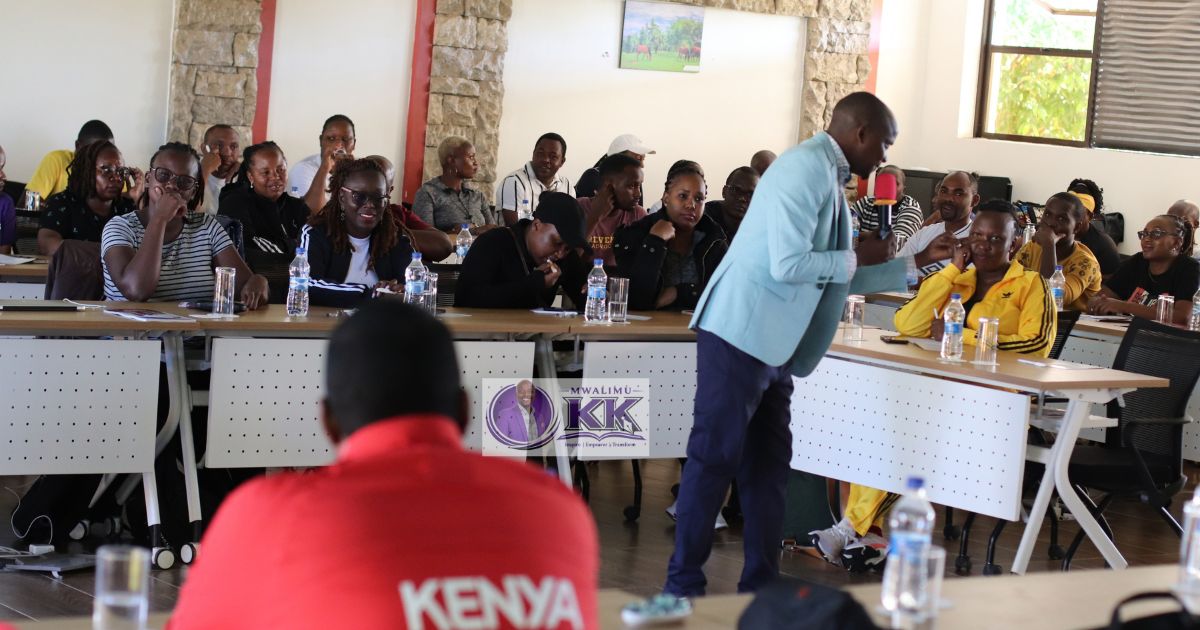
Negotiation Skills Training in Kenya: Practical Skills for Better Business Deals.
Every business deal is won or lost at the table. A small gap in skill can cost a company a large contract, a good supplier or a loyal client. Negotiation Skills Training in Kenya gives your team the tools to close deals with confidence and protect profit. Learn more at www.kariukikamau.com.
What Is Negotiation Skills Training in Kenya?
Negotiation skills training is a practical program that teaches people how to reach agreements that work for both sides. It covers how to prepare, how to communicate, how to handle pressure and how to close a deal without damaging the relationship.
In the Kenyan business world, negotiation happens every day. A sales manager discusses terms with a buyer. A procurement officer talks price with a supplier. An HR manager agrees on a package with a new hire. A business owner talks to a bank about a loan. Good business negotiation skills help in every one of these moments.
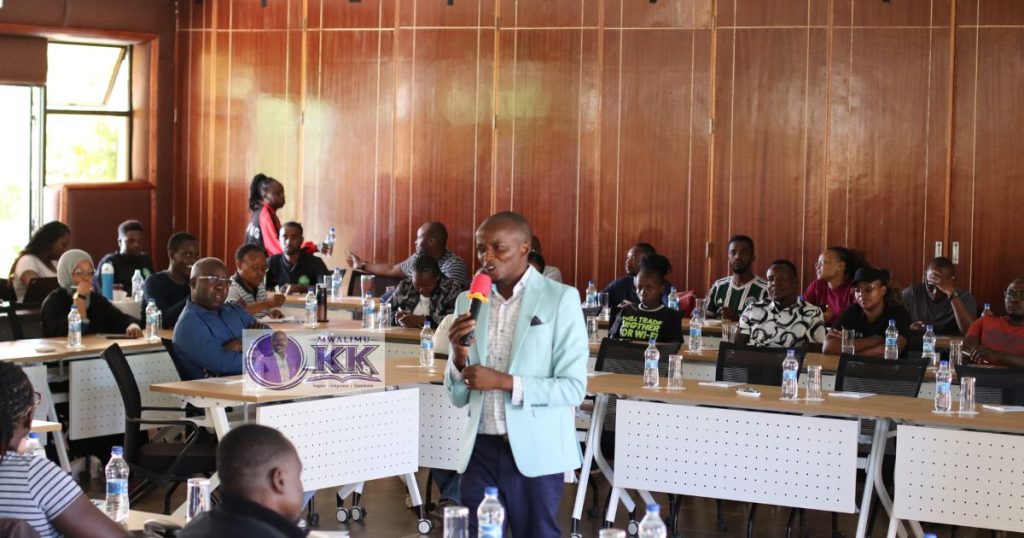
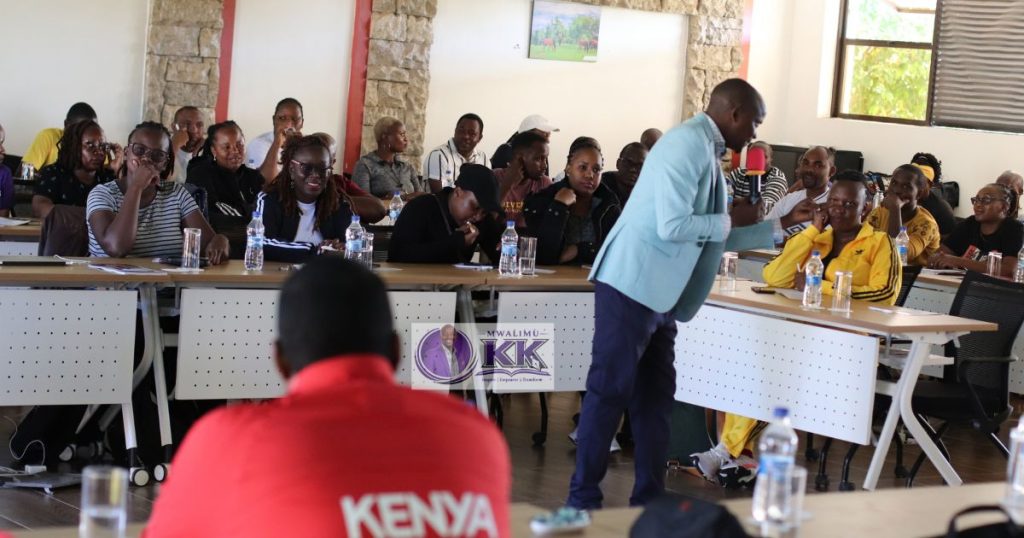
Good training is not just theory. It uses real Kenyan business cases, role plays and live practice. Participants leave with skills they can use the next morning at work. You can explore customized programs at www.kariukikamau.com.
Why Negotiation Skills Matter for Kenyan Businesses.
Kenya has a fast-moving and competitive market. Companies deal with changing costs, tight margins and demanding clients. In this setting, how well your people negotiate affects your bottom line directly.
Here is why negotiation training for managers and staff is worth the investment:
- Better profit margins: Skilled negotiators protect prices and avoid giving away value for free.
- Stronger supplier relationships: Fair deals build trust and long-term partnerships.
- Faster deal closing: Prepared teams waste less time and close with more confidence.
- Lower risk: Good contract negotiation reduces disputes and costly surprises.
- Higher team confidence: Staff who know what to do under pressure perform better.
Many businesses lose money not because their product is weak, but because their team gives in too early. Training fixes this.
Who Needs Negotiation Skills Training in Kenya?
Almost every role that deals with people, money or contracts can gain from this training. The most common groups include:
- Sales teams and business development officers who handle price talks and close deals.
- Procurement and supply chain officers who negotiate with vendors and manage costs.
- Managers and team leaders who handle staff, budgets and internal disagreements.
- Business owners and entrepreneurs who negotiate with clients, banks, landlords and investors.
- HR professionals who handle salary talks, labour issues and staff relations.
- Legal and finance teams who review and agree on contract terms.
- Sacco, NGO and public sector leaders who negotiate partnerships, funding and policy.
If your work involves reaching an agreement with another person, this training is for you.
Key Skills You Learn in Negotiation Skills Training.
A strong negotiation skills course in Nairobi or anywhere in Kenya should cover the full negotiation process. Here are the core skills your team should walk away with.
1. Preparation and Goal Setting.
Most deals are decided before the talks begin. You learn how to research the other side, set clear goals, know your limits and plan your options. You also learn your BATNA, which means your best alternative if the deal fails. Knowing it gives you real power at the table.
2. Active Listening and Asking Smart Questions.
Good negotiators listen more than they talk. You learn to ask questions that reveal what the other side truly needs. Often the real need is different from the stated demand, and finding it opens the door to better deals.
3. Persuasive Communication.
You learn how to present your offer clearly, explain your value and speak with confidence. This includes body language, tone and word choice. Many Kenyan professionals also learn how to adjust their style when dealing with different cultures and business settings.
4. Win-Win Negotiation.
Win-win negotiation is about creating value for both sides rather than fighting over a fixed amount. When both parties leave satisfied, the deal lasts and future business becomes easier. This is one of the most valuable skills in the training.
5. Handling Pressure and Difficult People.
Some negotiators use pressure tactics, deadlines or anger. You learn how to stay calm, respond with facts and avoid emotional mistakes. These conflict resolution skills also help in everyday workplace disputes.
6. Closing the Deal and Following Up.
Many people lose a deal at the final step. You learn how to recognize the right moment to close, how to summarize agreements and how to follow up so that the deal is honored.
Practical Negotiation Techniques That Close Better Deals.
The best negotiation techniques are simple and repeatable. Here are some you can expect to practice in a good program:
- Start with a strong but fair opening offer. The first number often sets the range for the whole talk.
- Trade, do not give. When you make a concession, ask for something in return.
- Focus on interests, not positions. Ask why the other side wants something, not just what they want.
- Use silence wisely. A pause after an offer often makes the other side speak first and reveal more.
- Create options. Offer different packages, timelines or payment terms so both sides can find a fit.
- Know when to walk away. A bad deal is often worse than no deal.
- Put it in writing. Clear written terms prevent confusion and protect both parties.
These techniques work in a small shop deal and in a large corporate contract alike.
Negotiation Training for Different Business Functions.
Different roles face different challenges. The best programs adjust the content to your team.
1. Sales Negotiation Training.
Sales negotiation training helps your team defend prices, handle discount requests and sell value instead of cost. Participants learn how to respond when a buyer says, “Your price is too high,” without losing the deal or the profit.
2. Procurement and Supplier Negotiation.
Procurement teams learn how to compare quotes, negotiate payment terms, manage supplier risk and build long-term vendor relationships. This directly helps reduce costs and improve supply reliability.
3. Contract Negotiation Skills.
Strong contract negotiation skills help teams spot risky clauses, protect company interests and agree on clear terms. This lowers the chance of disputes later.
4. Negotiation for Managers and Leaders.
Managers negotiate with staff, bosses, partners and other departments. Negotiation training for managers teaches them how to handle resource requests, solve team conflicts and gain buy-in without using force.
Common Negotiation Mistakes Kenyan Professionals Make.
Even experienced professionals repeat the same errors. Training helps you avoid them.
- Going in unprepared. Not knowing your numbers or limits weakens your position.
- Talking too much. Over-explaining can reveal your weak points.
- Giving discounts too fast. Quick concessions teach the buyer to push harder.
- Focusing only on price. Delivery time, quality, service and payment terms also hold value.
- Letting emotions lead. Anger or fear often leads to poor decisions.
- Ignoring the relationship. A deal that damages trust can cost more in the long run.
- Failing to document agreements. Verbal deals often lead to later disagreement.
Benefits of Corporate Negotiation Training.
Corporate negotiation training gives your whole organization a shared approach to dealing with clients and partners. The benefits go beyond single deals:
- Improved revenue and cost savings through better terms and fewer lost opportunities.
- A consistent negotiation style across all teams and departments.
- Stronger client and supplier loyalty through fair, win-win agreements.
- Better internal teamwork because staff can resolve disagreements early.
- More confident staff who are ready to handle high-stakes talks.
- Reduced legal and financial risk from poorly negotiated contracts.
When you train your people, the return shows up in every deal they handle afterwards. Visit www.kariukikamau.com to see how a tailored program can support your goals.
In-House Negotiation Training vs Public Courses.
Companies in Kenya usually choose between two formats.
In-house negotiation training is delivered at your office or a chosen venue. It uses your own business cases, your industry language and your real challenges. It works well for teams that need a shared approach and want to train many people at once.
Public negotiation courses bring together professionals from different companies. They are good for individuals who want to learn, network and share ideas across industries.
Many organizations prefer in-house programs because the content can be customized, the schedule is flexible and the practice is closer to real daily work. Some also add a residential or retreat format to combine learning with team bonding.
How to Choose the Best Negotiation Skills Training Provider in Kenya.
Not all programs deliver the same value. Use this checklist when comparing providers:
- Practical approach: Look for role plays, case studies and live practice, not only slides.
- Local experience: The trainer should understand Kenyan business culture, industries and market conditions.
- Customization: The content should match your sector, team level and goals.
- Experienced facilitators: Choose trainers with real business and training experience.
- Clear learning outcomes: You should know what skills your team will gain.
- Follow-up support: Good providers offer coaching, tools or review sessions after training.
- Flexible delivery: Options for in-person, online or hybrid sessions help busy teams.
A provider that meets these points will give you results that last beyond the training room.
What to Expect During a Training Session.
A typical program follows a clear flow. It starts with an assessment of your team’s current skills and business needs. Then the trainer teaches the core ideas, such as preparation, communication and deal closing. Participants then practice through role plays based on real situations, such as price talks, supplier meetings and contract reviews.
Feedback is given on the spot so that people can improve right away. The program ends with an action plan, so each participant knows how to apply the skills at work. Sessions can run for one day or several days, depending on your goals and team size.
How to Measure the Results of Negotiation Training.
Training is only useful when it changes behavior. To track the impact, you can:
- Compare deal values and margins before and after training.
- Track the number of deals closed and the time taken to close them.
- Review supplier terms and cost savings.
- Collect feedback from managers and clients.
- Run short refresher sessions to keep skills sharp.
Over time, these measures show whether your investment is delivering real business value.
Frequently Asked Questions About Negotiation Skills Training in Kenya.
1. What is negotiation skills training in Kenya?
It is a practical program that teaches professionals how to prepare for talks, communicate well, handle pressure and reach agreements that benefit both sides. It is designed around Kenyan business situations and real workplace challenges.
2. Who should attend negotiation skills training?
Sales teams, procurement officers, managers, business owners, HR professionals and finance or legal staff all benefit. Anyone who makes deals or agreements as part of their work should consider it.
3. How long does a negotiation skills course take?
Programs can run from one day to several days. The length depends on your goals, team size and how deep you want to go. Many companies start with a short workshop and add follow-up sessions later.
4. Is in-house negotiation training better than a public course?
In-house training is usually better for companies because it can be customized to your business and industry. Public courses suit individuals who want to learn alongside people from other organizations.
5. Can negotiation training help increase sales?
Yes. Sales negotiation training helps teams defend prices, handle discount requests and sell value. This often leads to better margins and more closed deals.
6. Do you offer negotiation training in Nairobi and other towns?
Training can be delivered in Nairobi and across Kenya, at your office or a chosen venue. You can discuss your location and needs at www.kariukikamau.com.
7. What topics are covered in business negotiation training?
Common topics include preparation, goal setting, active listening, persuasion, win-win negotiation, handling difficult people, contract negotiation and closing deals.
8. Is negotiation training useful for procurement teams?
Very much. Procurement teams learn how to negotiate with suppliers, manage costs, improve payment terms and build strong vendor relationships.
9. How much does negotiation skills training cost?
The cost depends on the number of participants, the length of the program, the venue and how much customization you need. Contact the team at www.kariukikamau.com for a quote that fits your needs.
10. How do I book negotiation skills training for my team?
Visit www.kariukikamau.com, share your goals, team size and preferred dates, and you will receive a program designed around your needs.
Conclusion: Turn Every Negotiation Into a Win.
Every day, your team makes decisions that affect your revenue, your relationships and your reputation. When those talks go well, your business grows. When they go badly, you lose money and trust. Negotiation Skills Training in Kenya helps your people prepare better, speak with confidence and close deals that work for everyone.
The skills are practical and easy to apply. Preparation, active listening, win-win thinking and smart closing techniques can change the result of your very next deal. The sooner your team learns them, the sooner you see the difference in your profits and partnerships.
Do not leave your best deals to chance. Visit www.kariukikamau.com today to plan a customized training program, and give your team the skills to negotiate better and win more.

