

Leadership Training in Kenya: How to Develop Next-Generation Managers.
The business world is changing fast, and simply giving your top worker a promotion and hoping they figure out how to manage people is a huge risk. Today, investing in leadership training in Kenya is no longer just a nice bonus—it is an absolute must. It is the exact thing that separates winning businesses from the ones that fail to grow. Modern companies simply cannot afford the costly mistake of bad management
Developing next-generation managers requires an intentional shift from outdated “command and control” tactics to coaching, empathy and strategic foresight. In this comprehensive guide, we reveal exactly how to groom upcoming leaders, the ROI of structured training and how partnering with experts at www.kariukikamau.com can transform your workforce for 2026 and beyond.
The 2026 Shift in the Kenyan Corporate Landscape.
The business environment in Kenya is highly dynamic. With technological advancements, remote work flexibility and a younger workforce demanding more than just a paycheck, traditional management tactics are failing.
Top organizations are actively seeking the best corporate training companies in Kenya because they understand that modern employees value purpose, continuous feedback and mental well-being. To keep up, managers must be agile. They need to pivot strategies instantly while keeping teams motivated. Building this agility requires well-structured leadership development programs Kenya businesses can rely on to future-proof their operations.
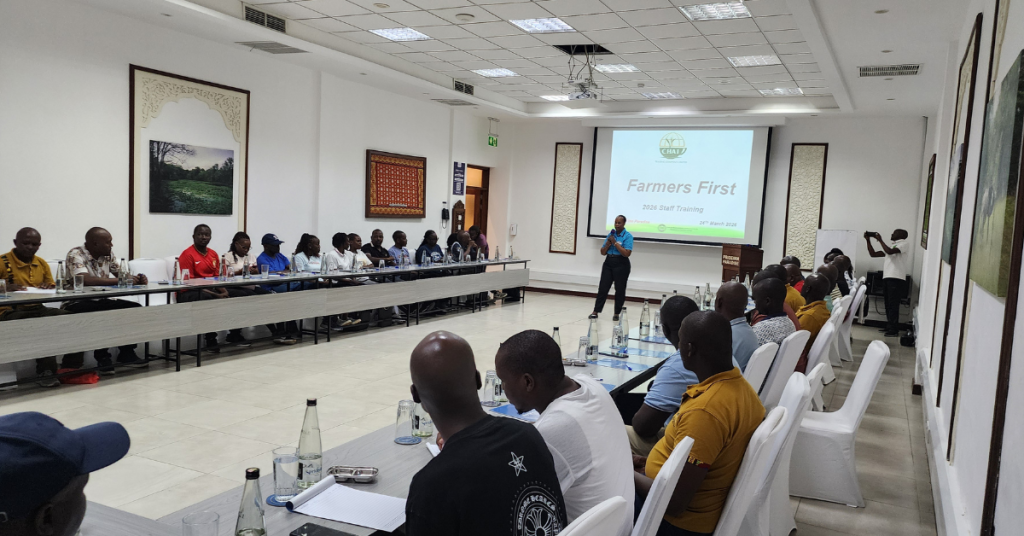

Traits of a Next-Generation Manager.
Unlike the traditional boss who simply delegates and demands results, the next-generation manager is a facilitator. They remove roadblocks, provide resources and act as a mentor.
When you invest in management skills training Kenya, you are looking to build leaders who consistently display the following traits:
- High Emotional Intelligence (EQ): They read the room, understand team dynamics and address the root causes of underperformance rather than just issuing warnings.
- Extreme Adaptability: They pivot quickly during crises and guide their teams through sudden market shifts without panicking.
- Collaborative Mindset: They do not claim to have all the answers. They actively solicit ideas from all team members, regardless of rank.
- Data-Driven Decision Making: They rely on analytics and clear performance metrics to guide their strategies rather than relying solely on gut feelings.
- Empathy and Active Listening: They create psychological safety, allowing employees to voice concerns without fear of retaliation.
4 Core Pillars of Effective Leadership Training.
For a training program to deliver a strong return on investment, it must move beyond textbook theories. When evaluating the best management courses in Nairobi, ensure the curriculum is built heavily on these four foundational pillars.
- Strategic Visioning: Managers learn to align daily departmental tasks with the broader, long-term goals of the executive board.
- Advanced Communication: Leaders practice articulating complex ideas clearly, delivering constructive criticism and mediating inter-departmental disputes.
- Change Management: Training equips supervisors to guide teams through digital transformations, restructuring and new policy adoptions with minimal resistance.
- Performance Coaching: Managers shift from doing the work themselves to actively coaching their subordinates to hit peak performance levels.
Top Benefits of Leadership Training in Kenya.
Why allocate budget toward training your managers? The downstream effects impact every single metric of business success.
- Drastically Improved Retention: Employees quit bad bosses, not companies. Trained leaders foster environments where top talent wants to stay.
- Increased Productivity: A skilled manager delegates tasks based on individual strengths, eliminating bottlenecks and burnout.
- Stronger Succession Planning: Developing your mid-level managers guarantees business continuity when senior executives retire or transition.
- Reduced Workplace Conflict: Trained leaders mediate disputes before they escalate into toxic HR issues.
- Higher Profit Margins: Efficient teams led by competent managers simply execute better, driving revenue up and operational costs down.
Bridging the Gap: Corporate Team Building in Naivasha.
Classroom training is vital, but leadership is ultimately a practical skill. Managers must test their decision-making and communication under pressure, outside the sterile office environment.
As companies finalize their corporate strategies for 2026, integrating offsite retreats has become a massive priority. Taking your management team to a location like Naivasha for targeted corporate team building is a highly effective way to solidify training.
-
Real-Time Problem Solving: Outdoor challenges force leaders to communicate clearly and strategize on the fly.
-
Breaking Down Silos: Managers from finance, marketing and operations must collaborate, building trust that translates directly back to the boardroom.
-
Safe Failure: Retreats allow leaders to test new management styles and learn from mistakes without risking corporate assets.
These immersive experiences are the perfect practical complement to formal strategic leadership training Kenya.
The Impact of Executive Coaching in Kenya.
For senior leaders facing high-stakes decisions, group workshops are often insufficient. They require a bespoke, highly confidential approach. This is the exact reason executive coaching in Kenya is surging in demand.
Executive coaching provides a one-on-one partnership between a leader and a certified coach. It focuses on:
- Identifying and correcting personal leadership blind spots.
- Navigating complex, high-pressure board decisions.
- Refining executive presence and public speaking skills.
- Managing the intense stress that comes with C-suite responsibilities.
Unlike standard curricula, coaching is entirely dictated by the immediate, real-world challenges the executive is facing that week.
How to Choose the Best Corporate Training Providers.
Not all training institutes deliver the same caliber of results. Selecting the wrong partner wastes time and budget. Use this checklist to vet potential leadership training institutes in Nairobi:
-
Verify Industry Experience: Ask for case studies specifically from businesses in your sector.
-
Assess the Methodology: Reject programs that rely purely on lectures. Demand interactive role-playing, simulations, and group discussions.
-
Check for Customization: The provider must be willing to tailor the curriculum to your specific corporate culture and current pain points.
-
Evaluate Post-Training Support: Learning fades without reinforcement. Ensure they offer follow-up coaching calls or digital resources to ensure actual behavioral change in the office.
Leadership Training in Kenya with www.kariukikamau.com
Building a roster of elite managers is a continuous journey that requires expert frameworks and proven insights. You do not have to build your curriculum from scratch.
By utilizing the resources at www.kariukikamau.com, HR professionals and executives can access cutting-edge strategies tailored specifically to the African corporate environment. Whether you need guidance on resolving team conflicts, structuring an impactful 2026 leadership retreat or finding the best executive coaching frameworks, having a trusted expert partner makes all the difference.
Conclusion: Leadership Training in Kenya.
The future belongs to organizations that prioritize and protect their human capital. In a hyper-competitive market, outdated management tactics are a liability. By embracing comprehensive leadership training in Kenya, you equip your managers to lead with empathy, strategic foresight and undeniable confidence.
From enrolling supervisors in the best management courses in Nairobi to executing practical team-building interventions, the ROI on leadership development is unmatched. Equip your next-generation managers with the right skills today and they will drive your company forward tomorrow. Visit www.kariukikamau.com to access the expert resources you need to transform your management team.
10 Frequently Asked Questions (FAQs) on Leadership Training in Kenya.
1. What exactly is leadership training in Kenya?
Leadership training in Kenya consists of targeted professional development programs that teach employees how to effectively manage teams. These programs focus on communication, strategic planning, conflict resolution and emotional intelligence.
2. Why is management skills training Kenya crucial for newly promoted supervisors?
New supervisors often struggle with the transition from executing tasks to managing people. Training provides them with frameworks to delegate efficiently, handle disciplinary issues and motivate peers without micromanaging.
3. How do I identify the best corporate training companies in Kenya?
Look for providers with a strong track record, verified client testimonials and a commitment to interactive, customized learning. Avoid generic, lecture-heavy programs. Excellent resources and recommendations can be found at www.kariukikamau.com.
4. What is the core value of executive coaching in Kenya?
Executive coaching offers personalized, one-on-one guidance for senior management. It provides a confidential space to refine strategic thinking, overcome personal blind spots and manage the unique stresses of executive leadership.
5. How long do standard management courses in Nairobi take?
The timeline varies wildly based on the depth required. Options range from intensive two-day corporate workshops to comprehensive leadership development programs Kenya offers that span six to twelve months of ongoing modules.
6. Are offsite corporate retreats actually effective for leadership development?
Yes. Offsite team-building—especially in focused environments like Naivasha—allows managers to practice high-pressure decision-making, clear communication and cross-departmental collaboration in real-time, practical scenarios.
7. What is the difference between a traditional boss and a next-generation manager?
A traditional boss relies on authority, gives strict orders and focuses solely on output. A next-generation manager acts as a coach; they facilitate resources, listen actively and focus heavily on employee development alongside revenue goals.
8. Is strategic leadership training Kenya necessary for small businesses?
Absolutely. In a small or medium enterprise (SME), the impact of a manager is magnified. Effective leadership training helps small business owners scale operations efficiently and manage limited resources without burning out their core team.
9. How do we measure the ROI of a leadership training program?
Success is measured through tangible metrics: reduced employee turnover, increased output per department, higher scores on internal employee satisfaction surveys and a noticeable reduction in escalated HR complaints.
10. Where can I find expert frameworks to start developing my managers?
For actionable advice, customized strategies and deep insights into corporate leadership, visit www.kariukikamau.com. It is a premier resource designed to help businesses build and sustain world-class leadership teams.


