
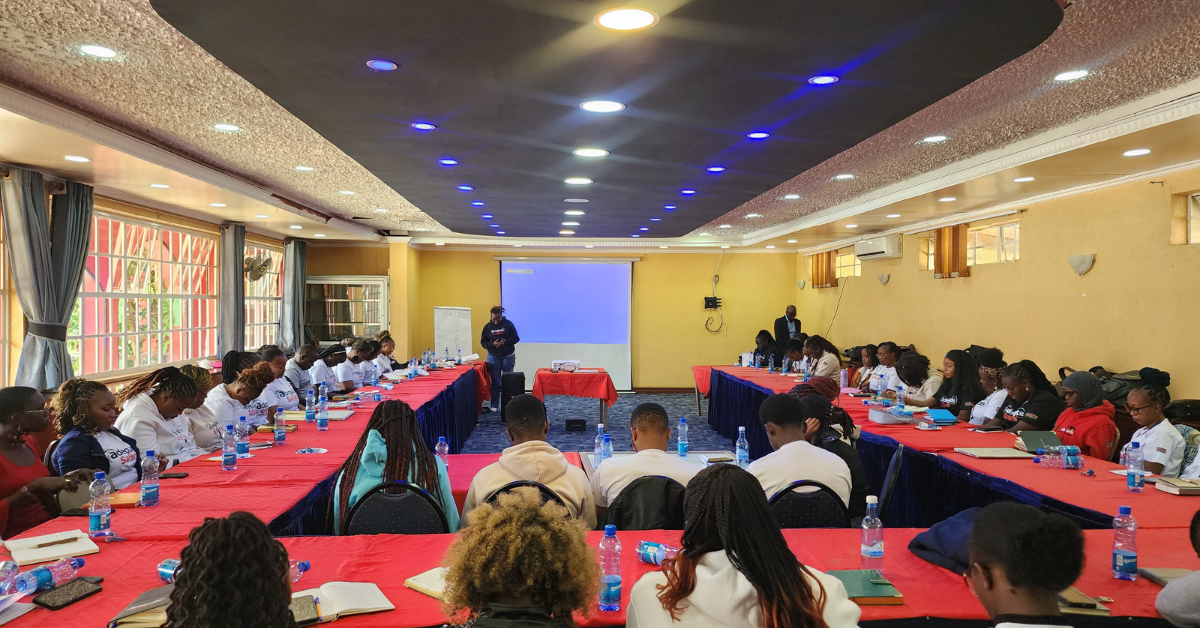
Cost of Corporate Training in Kenya: What Companies Should Expect in 2026.
Understanding the Cost of Corporate Training in Kenya is essential for business leaders aiming to build resilient, high-performing teams in 2026. However many organizations view staff upskilling as a major expense and the reality is it is a highly profitable investment. Proper budgeting ensures your workforce stays ahead of industry trends without straining company resources. For tailored, high-impact learning solutions that drive measurable business growth and team alignment, visit www.kariukikamau.com to explore expert facilitation today.
Cost of Corporate Training in Kenya: The True Value of Employee Development in 2026.
When executive teams sit down to allocate resources for the upcoming year, learning and development are often treated as optional luxuries. However, the modern Kenyan business landscape has shifted dramatically. With rapid advancements in technology, changing consumer behaviors and tighter regulatory frameworks, the skills that made your company successful yesterday will not be enough to sustain it tomorrow.
Forward-thinking organizations understand that budgeting for staff upskilling is a proactive strategy to secure future revenue. When you consistently invest in your workforce, you build a powerful internal engine of innovation. Well-trained employees complete tasks faster, make fewer costly mistakes and require significantly less micromanagement from leadership.
Furthermore, the approach to HR budgeting in Kenya has evolved. Rather than setting aside surplus funds at the end of the year, successful businesses are integrating educational programs into their core operational budgets from the very beginning. They recognize that an empowered, knowledgeable team is the absolute best tool for scaling business operations and maintaining a competitive edge in an increasingly crowded marketplace.

Primary Factors Influencing Training Budgets.
Because every organization has unique operational goals, there is no universal price tag for upskilling a workforce. When determining how to allocate funds for your corporate learning initiatives, several variable elements come into play. Understanding these factors will help you formulate a realistic, highly effective budget.
1. Logistical Requirements and Venue Selection.
Where and how the learning takes place heavily influences the overall investment. Opting for an off-site corporate retreat at a premium destination requires you to factor in venue hire, catered meals and staff transportation. While this provides a highly focused, distraction-free environment, it requires more resources. Conversely, hosting the sessions at your own offices or utilizing virtual digital classrooms significantly reduces logistical expenses, allowing you to direct the majority of your budget toward the educational content itself.
2. Level of Curriculum Customization.
There is a massive difference in impact between generic, pre-packaged courses and bespoke learning experiences. Highly customized training requires expert facilitators to spend time auditing your current business processes, analyzing your internal challenges and designing specific modules that address your exact bottlenecks. While tailored programs demand a larger initial allocation of resources, they generate a significantly higher return on investment because they solve real problems unique to your company.
3. Facilitator Expertise and Credentials.
The caliber of the professionals leading the sessions is a major determining factor in the budget. Partnering with seasoned industry veterans who possess decades of practical market experience and specialized accreditations will naturally require a larger allocation than hiring junior motivational speakers. Top-tier corporate training companies in Nairobi structure their fees based on the profound strategic insight, proven corporate methodologies and measurable results their facilitators bring into your boardroom.
4. Scale, Frequency and Duration.
Training your entire nationwide workforce across multiple regional branches will require a more substantial strategy than upskilling a single localized department. Additionally, the duration of the development program plays a critical role. A brief, half-day refresher workshop requires far fewer resources than a comprehensive, multi-month executive coaching program that involves continuous assessment, one-on-one mentorship and progressive learning modules.
Core Priority Areas for Kenyan Companies.
To maximize the Cost of Corporate Training in Kenya, it is critical to prioritize the types of training that directly enhance your company’s core performance and workplace culture. Here are the essential areas where progressive businesses are directing their focus in 2026.
1. Executive and Leadership Development.
Great managers are rarely born; they are systematically developed through structured guidance. Leadership development programs are absolutely essential for ensuring a smooth transition of power and preparing mid-level supervisors for higher executive roles. These programs teach leaders how to delegate effectively, handle disciplinary issues with professionalism and formulate long-term strategic visions. Proper leadership training prevents costly management mistakes that frequently trigger mass employee resignations.
2. SACCO Board and Corporate Governance Training.
For the financial and cooperative sector in Kenya, compliance is non-negotiable. SACCOs and corporate boards must stay constantly updated on regulatory changes, risk management strategies and ethical governance frameworks. Allocating a budget for specialized board training ensures that directors fully understand their fiduciary duties, preventing devastating legal and financial penalties while boosting member confidence.
3. Customer Experience and Retention Strategies.
In an era where consumers can instantly switch to a competitor with a single click, exceptional customer service is your strongest brand differentiator. Customer experience training focuses on equipping your frontline staff with the emotional intelligence, product knowledge and communication frameworks needed to handle irate clients and resolve complaints efficiently. Investing in this area directly correlates with increased client retention and elevated lifetime customer value.
4. Essential Soft Skills and Workplace Adaptability.
Technical abilities might get a candidate hired, but soft skills dictate how far they will advance within your company. Soft skills training covers critical daily functions such as conflict resolution, active listening, time management and adaptability under pressure. A team that communicates flawlessly and manages workplace stress effectively is fundamentally more productive than a disjointed group of highly skilled but uncooperative individuals.
Maximizing HR Budgets with NITA Reimbursements.
One of the biggest financial advantages available to businesses operating in Kenya is the robust support structure provided by the government. Understanding how to correctly navigate this system can drastically lower the Cost of Corporate Training in Kenya
1. Understanding the Statutory Training Levy.
The National Industrial Training Authority (NITA) mandates that registered employers make regular monthly statutory contributions for every single employee. These contributions, processed efficiently through the KRA iTax portal alongside standard payroll deductions, go into a national industrial training levy. However, this is not merely a tax; it is a revolving national fund designed specifically to subsidize the cost of employee development. Organizations that actively train their staff can legally reclaim a significant portion of these funds.
2. The Necessity of Accredited Providers.
To successfully qualify for a reimbursement, it is a strict governmental requirement that you work exclusively with NITA registered training providers. When you partner with officially accredited corporate trainers in Kenya, the authority acknowledges that the curriculum meets stringent national quality standards. Attempting to bypass this rule by using uncertified freelance trainers will automatically result in the total rejection of your reimbursement claim, making it a much more expensive decision for your company.
3. Navigating the Approval and Claim Process.
Claiming your training refund requires a systematic, well-documented approach. Before any learning sessions begin, your HR department must submit a formal pre-approval application to the authority. Once the course is successfully concluded by your chosen certified partner, your company must submit the official claim forms accompanied by daily attendance registers and payment receipts. Proper strategic planning ensures that this administrative process is seamless and successful.
The Severe Hidden Costs of Underfunding Development.
When business owners attempt to protect their short-term profits by slashing the HR training budget, they inadvertently trigger a series of hidden, cascading costs that severely damage the organization’s long-term financial health.
1. Escalating Employee Turnover.
Modern professionals actively seek out workplaces that offer clear paths for career progression. When employees feel stagnant, unsupported and under-equipped, they simply leave for greener pastures. The heavy financial burden of replacing an experienced staff member—factoring in recruitment advertising, interviewing hours, onboarding delays and the months it takes for a new hire to reach full productivity—is astronomically higher than the cost of consistently upskilling your original team.
2. Increased Operational Inefficiencies.
An untrained workforce is forced to rely on outdated methods, manual workarounds and guesswork. This inevitably leads to a dramatic increase in operational errors, missed client deadlines and wasted physical materials. Without continuous professional education, your team cannot properly leverage new software platforms or adapt to updated industry regulations, resulting in sluggish, error-prone performance that drags down overall profitability.
3. Stagnant Business Growth.
True innovation does not happen by accident. It is sparked when employees are regularly exposed to modern business frameworks, fresh global perspectives and advanced problem-solving techniques. A company that refuses to fund employee development programs quickly becomes rigid and stagnant. Competitors who consistently upskill their teams will inevitably capture your market share by offering faster, smarter and more efficient customer solutions.
Step-by-Step Guide to Formulating Your 2026 Budget.
Creating an effective, highly impactful HR budget requires strategic foresight rather than simple guesswork. Follow this methodology to ensure every single shilling allocated to training delivers maximum organizational impact.
Step 1: Conduct a Comprehensive Needs Analysis.
Never formulate a budget based on vague assumptions. Begin your planning by auditing your current workforce capabilities to identify exact departmental skill gaps. Are your regional sales numbers dropping? Is the IT support desk overwhelmed by simple queries? A thorough Learning Needs Analysis isolates the specific departments that require immediate educational intervention, ensuring you do not waste valuable funds on unnecessary, generic courses.
Step 2: Align Training with Corporate Objectives.
Your developmental budget must directly support your company’s broader business targets for 2026. If your major organizational goal is to expand into a new regional market, a significant portion of your budget should be directed toward advanced sales negotiation and cross-cultural communication training. Every booked session must have a clear, justifiable business purpose.
Step 3: Implement Post-Training Tracking.
To confidently justify future training budgets to the board of directors, you must explicitly prove the value of your current initiatives. Work closely with your chosen facilitators to establish clear Key Performance Indicators (KPIs) before the training begins. Monitor post-training metrics such as quarterly error reduction, faster project delivery times, increased sales conversions and improved customer satisfaction scores to measure true success.
Cost of Corporate Training in Kenya: Why Choose www.kariukikamau.com.
When selecting a professional partner to handle your organizational growth, expertise, adaptability and proven methodology matter immensely. This is why forward-thinking businesses consistently choose www.kariukikamau.com to lead their employee development initiatives.
We understand that corporate training should never be a boring, theoretical lecture; it must be a transformative experience that drives actual behavioral change. Our customized training programs are highly interactive, intensely practical and deeply tailored to address the unique operational challenges of your specific workplace.
We partner with NITA-accredited experts to guarantee that your curriculum meets national compliance standards, simplifying your government reimbursement process. From high-level executive leadership coaching to dynamic customer service workshops and strategic team building in Nairobi, we deliver measurable, long-lasting results that directly elevate your company’s bottom line and strengthen your corporate culture.
10 Frequently Asked Questions (FAQs) on Cost of Corporate Training in Kenya.
1. What exactly determines the cost of corporate training in Kenya?
The overall investment is primarily determined by the total duration of the program, the level of curriculum customization required, the logistical format (in-house versus off-site venues) and the specialized expertise of the facilitator.
2. Why is budgeting for employee development so important in 2026?
Rapid shifts in digital technology and customer demands mean that professional skills quickly become outdated. Budgeting for continuous learning ensures your workforce remains highly efficient, innovative and competitive in the local market.
3. How does the NITA training levy reimbursement system work?
Registered employers who consistently remit their mandatory monthly employee contributions can legally claim back the expenses incurred from upskilling their staff, provided the training is conducted by an officially approved provider.
4. What are the most requested employee development programs in Kenya?
Currently, the highest demand among Kenyan corporates is for leadership and management development, customer service excellence, sales conversion techniques, SACCO governance and essential soft skills like emotional intelligence.
5. Can corporate training be conducted virtually to save on budget?
Yes. Virtual instructor-led training is a highly effective, budget-friendly format that completely eliminates the need for expensive external venue hire and staff travel expenses while still delivering premium, interactive educational content.
6. Why must we exclusively use NITA registered training providers?
Utilizing accredited partners is a strict government requirement if your company intends to claim training expense refunds. It also guarantees that the educational material meets officially recognized national quality standards.
7. How do we know if our corporate training budget was well spent?
Success is effectively measured by tracking post-training performance metrics such as a noticeable drop in customer complaints, faster project turnaround times, visibly improved team morale and higher regional sales figures.
8. Is it better to train staff in-house or at an external venue?
Both options have distinct benefits. In-house training maximizes your financial budget and keeps staff close to daily operations, while external venues provide a refreshing, distraction-free environment that heavily boosts focus and team bonding.
9. How often should a proactive company conduct professional training?
While continuous micro-learning should happen on a daily basis, structured professional training sessions should be strategically budgeted for and executed at least quarterly to maintain high momentum and address emerging operational gaps.
10. Do facilitators customize the training to fit our specific industry?
Absolutely. Premium facilitators will consult closely with your internal HR department to design bespoke learning modules that seamlessly integrate your actual business case studies, ensuring the lessons are instantly applicable to your daily operations.
Conclusion: Cost of Corporate Training in Kenya.
Viewing employee education as a disposable or optional expense is a dangerous mindset that ultimately cripples organizational growth. The true cost of corporate training in Kenya is an incredibly powerful investment that yields massive dividends through heightened daily productivity, unshakable employee loyalty and vastly superior customer satisfaction.
By understanding the core cost factors, strategically allocating your 2026 budget and partnering with experts, you can turn a basic operational requirement into a formidable competitive advantage. Do not wait for your workforce to fall behind modern industry standards. Take decisive action today by visiting www.kariukikamau.com to build a resilient, high-performing team capable of driving your business to unprecedented heights in the coming year.


