
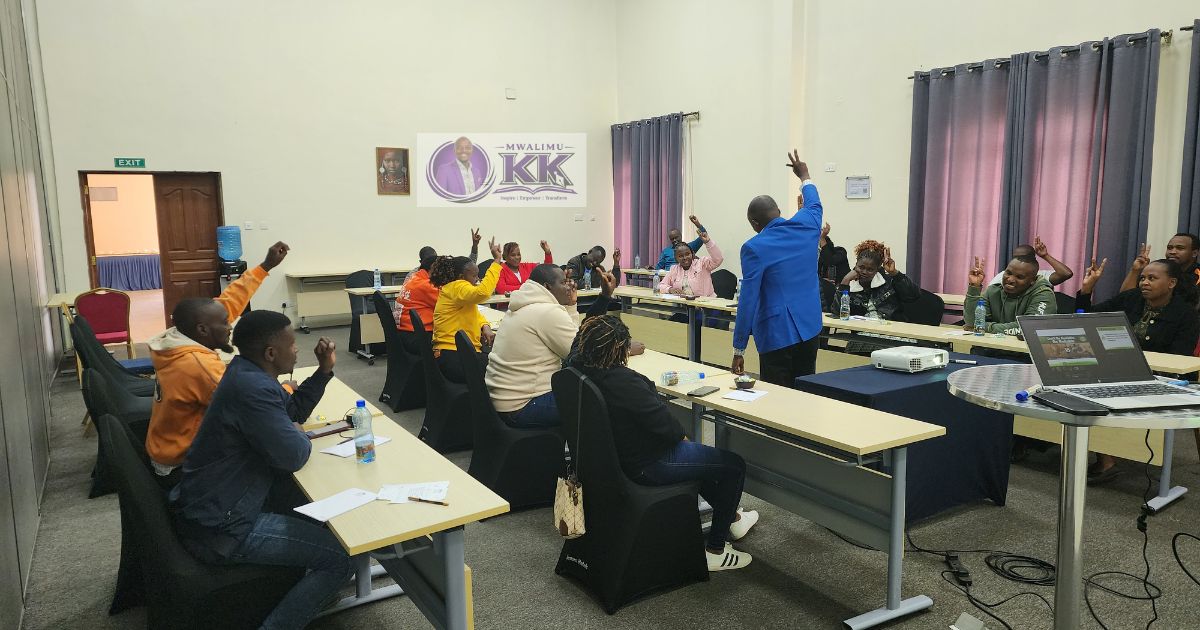
Corporate Training in Nairobi: Popular Training Programs for Kenyan Companies.
Is your company struggling with declining staff productivity, weak sales figures or poor leadership alignment in today’s fast-paced market? Investing in professional Corporate Training in Nairobi is the ultimate key to transforming your workforce into a high-performing team that consistently achieves targets. At www.kariukikamau.com, we deliver tailored, high-impact staff development solutions designed to solve real operational challenges.
Why Corporate Training in Nairobi is Essential for Business Success.
Nairobi is the economic and technological hub of East Africa. As multinationals, fast-growing SMEs, and SACCOs scale their operations in Kenya, the demand for skilled, adaptable talent has reached an all-time high. Generic workplace approaches no longer work.
Providing targeted professional development gives companies a significant competitive edge:
- Increased Staff Productivity and Output: Well-trained employees work faster, make fewer costly errors and execute tasks with greater autonomy.
- Higher Employee Retention Rates: Professionals stay longer with companies that invest in their personal and career growth, directly lowering expensive recruitment costs.
- Improved Leadership and Succession Planning: Structured supervisory modules prepare promising junior staff to step into management roles seamlessly.
- Enhanced Adaptability and Innovation: Continuous upskilling ensures your team adapts quickly to digital transformation, market shifts and new industry compliance standards.
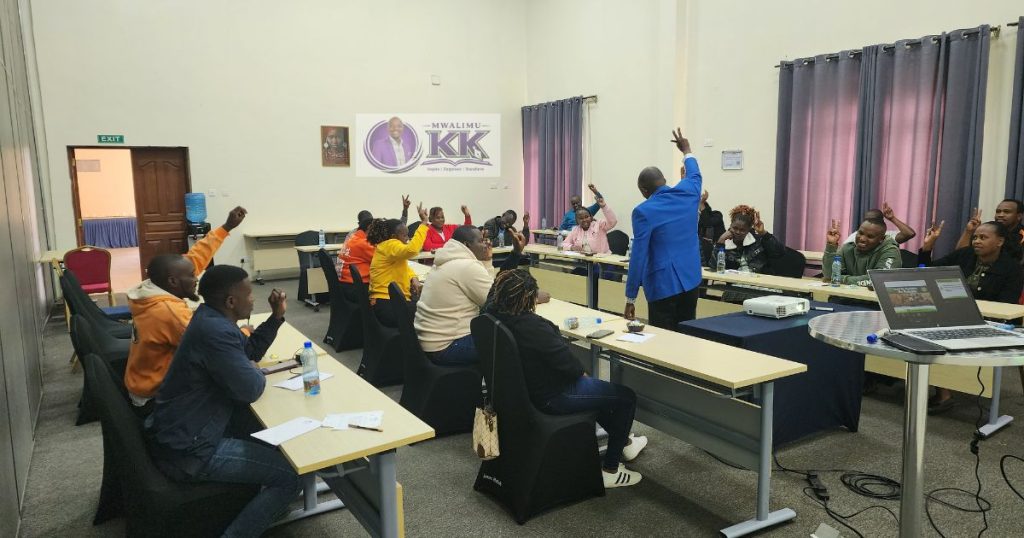
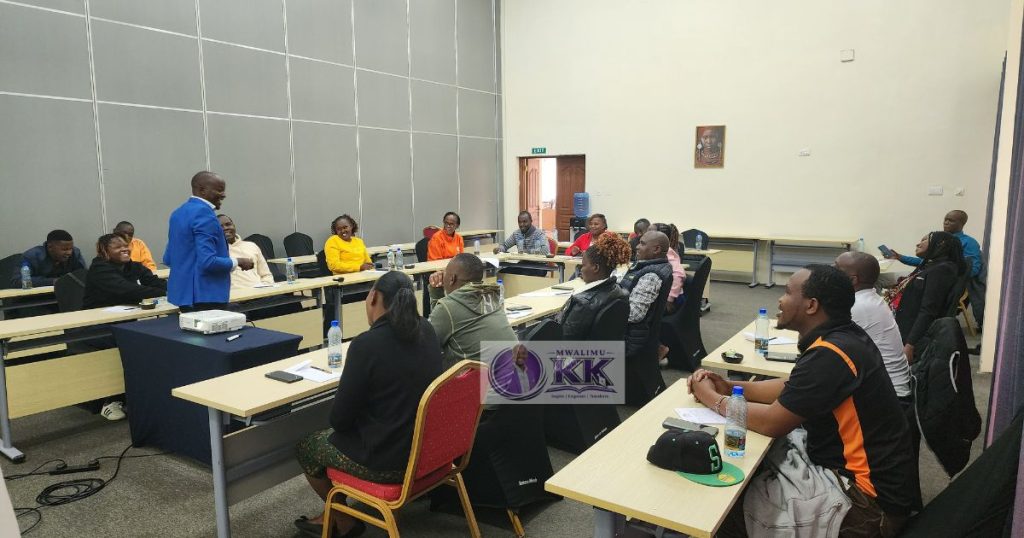
Popular Corporate Training Programs in Nairobi.
Every business unit requires specific competencies to perform at its peak. Here is a breakdown of the most requested staff development programs offered by top corporate facilitators in Kenya.
+-----------------------------------------------------------------------+
|                 HIGH-IMPACT CORPORATE TRAINING PILLARS                |
+------------------------------------+----------------------------------+
| 1. Sales & Revenue Growth          | 2. Executive Leadership          |
|    - Consultative Selling          |    - Supervisory Management      |
|    - Objection Handling            |    - Strategic Decision Making   |
|    - Key Account Management        |    - Emotional Intelligence      |
+------------------------------------+----------------------------------+
| 3. Customer Experience Excellence  | 4. Finance for Non-Finance Leads |
|    - Service Recovery Protocols    |    - Budgeting & P&L Analysis    |
|    - Communication & Etiquette     |    - Cash Flow Optimization      |
|    - Omnichannel Engagement        |    - Cost Control & Compliance   |
+------------------------------------+----------------------------------+
1. Sales Training and Consultative Selling.
Sales drive the revenue engine of any commercial enterprise. Modern Kenyan consumers and B2B clients are more informed than ever, making traditional, high-pressure sales pitches obsolete.
Modern sales workshops focus on:
- Consultative Selling: Teaching sales reps how to diagnose client pain points before offering tailored solutions.
- Overcoming Objections: Equipping staff with proven techniques to handle price resistance, hesitation and tough negotiations confidence.
- Key Account Management: Training account executives on how to nurture high-value client relationships for repeat business and referrals.
2. Leadership and Supervisory Skills Development.
Many professionals earn promotions to managerial roles due to technical excellence, yet they often lack key people-management skills. Leadership development bridges this gap by focusing on team management and strategic alignment.
Key focus areas include:
- Delegation and Accountability: Empowering managers to assign tasks effectively without micromanaging.
- Conflict Resolution: Managing workplace disagreements constructively to maintain high team morale.
- Emotional Intelligence (EQ): Helping leaders understand interpersonal dynamics, build empathy and inspire team members.
3. Customer Service Excellence and Client Retention.
In Nairobi’s competitive retail, banking, hospitality and corporate sectors, superior service is a primary brand differentiator. A single negative customer experience can severely damage brand reputation on social media.
Customer experience programs teach staff how to:
- Master professional phone, email and face-to-face communication etiquette.
- De-escalate conflicts with difficult or frustrated customers calmly and professionally.
- Apply service recovery frameworks that turn dissatisfied clients into loyal brand advocates.
4. Financial Literacy for Non-Finance Managers.
Department heads, operational leaders and project coordinators manage substantial budgets, yet many lack formal accounting training. Financial literacy workshops demystify financial reports and ratios.
Participants learn how to:
- Read and interpret balance sheets, profit and loss statements and cash flow reports.
- Formulate accurate departmental budgets aligned with overall company objectives.
- Identify cost-saving opportunities and manage operational expenses efficiently.
High-Demand Corporate Training Modules.
The table below outlines key training modules, target participant groups and primary business impact:
| Training Module | Target Participants | Core Focus Areas | Key Business Outcome |
| Advanced Sales Mastery | Sales Reps, Account Managers, Business Development Officers | Prospecting, consultative selling, closing tactics, CRM usage | Higher conversion rates and increased revenue. |
| Supervisory Leadership | Team Leads, Newly Appointed Managers, Department Heads | Team motivation, delegation, performance appraisal, EQ | Better team alignment and smooth management transition. |
| Customer Care Excellence | Front Office Staff, Call Center Agents, Support Teams | Active listening, conflict resolution, client retention | Higher customer satisfaction and brand loyalty. |
| Finance for Non-Finance | Operations Managers, Project Leads, Department Heads | Financial statements, variance analysis, budgeting, cost control | Reduced operational waste and smarter budget execution. |
| Performance Management | HR Officers, Senior Executives, Business Owners | KPI setting, balanced scorecards, appraisal feedback | Transparent accountability and clear goal tracking. |
How to Choose the Right Corporate Training Partner in Nairobi.
Selecting the right training consultant determines whether your training budget delivers a real return on investment or becomes a wasted expense. Consider these key factors when evaluating corporate training providers in Kenya:
1. NITA Registration and Accreditation.
Check if the training firm or lead facilitator is certified by the National Industrial Training Authority (NITA). Partnering with NITA-registered trainers allows eligible employers in Kenya to claim reimbursement for staff training expenses through the Industrial Training Levy Fund.
2. Customized Curriculum vs. Generic Seminars.
Avoid training providers that offer rigid, off-the-shelf lecture slides. The ideal partner conducts a thorough Training Needs Assessment (TNA) beforehand to tailor the course content, case studies and practical exercises directly to your company’s industry challenges.
3. Practical, Experiential Facilitation Style.
Adults learn best through active engagement rather than passive listening. Look for trainers who incorporate interactive group discussions, real-life role-playing, simulated scenarios and practical action plans that participants can apply immediately at work.
4. Post-Training Evaluation and Follow-Up Support.
Impactful training extends beyond the classroom. A reliable corporate partner offers post-training evaluations, participant feedback summaries and 30-day follow-up check-ins to measure skill retention and practical workplace adoption.
Delivery Options for Corporate Staff Workshops.
Flexibility is crucial when planning employee development programs around busy work schedules. Organizations can choose from three primary delivery models:
- In-House Corporate Workshops: The facilitator comes directly to your company premises. This format is cost-effective for medium to large teams and allows staff to learn using their actual workplace setup.
- Off-Site Training Retreats: Conducting workshops at quiet conference venues in Naivasha, Machakos or Nairobi suburbs removes daily workplace distractions, allowing teams to fully immerse themselves in learning and bonding.
- Virtual Live Interactive Sessions: Ideal for geographically distributed teams, remote staff or regional offices across East Africa who need bite-sized, cost-efficient learning modules without travel expenses.
Why Partner with Kariuki Kamau for Your Staff Development.
Building a world-class team requires guidance from seasoned industry experts who understand the unique dynamics of the East African business market. At www.kariukikamau.com, we bring extensive experience in business coaching, corporate sales strategy, and leadership development.
Here is why top organizations trust Kariuki Kamau:
- Results-Driven Approach: Our programs prioritize actionable strategies and measurable business outcomes over theoretical concepts.
- Tailored Content: Every training module is customized following a detailed audit of your team’s current skill gaps and operational goals.
- Engaging Facilitation: We use interactive case studies, group exercises and practical simulations that keep participants engaged from start to finish.
- End-to-End Support: From initial needs assessment to post-training impact tracking, we ensure your training investment delivers long-term value.
Visit www.kariukikamau.com today to explore our full suite of corporate training solutions and schedule a discovery consultation for your team.
10 Frequently Asked Questions (FAQs) About Corporate Training in Nairobi.
1. What is Corporate Training in Nairobi?
It refers to professional skill development programs, workshops and coaching sessions designed for companies, SACCOs, and organizations in Nairobi. These programs upskill employees in critical areas such as sales, leadership, customer service and financial management.
2. How much does corporate training cost for companies in Kenya?
Costs vary depending on team size, duration, course complexity and delivery venue. Day workshops generally range from affordable per-person rates for group in-house sessions to comprehensive executive packages. Visit www.kariukikamau.com to request a customized proposal for your organization.
3. Can our company claim training costs through NITA?
Yes. Employers who contribute to the National Industrial Training Authority (NITA) levy can claim reimbursement for staff training costs, provided the training is conducted by NITA-registered trainers and pre-approved before the session.
4. How long do corporate training programs typically take?
Program length depends on organizational goals. Formats range from intensive 1-day power workshops and 2-to-3-day comprehensive masterclasses to ongoing monthly coaching programs structured over several quarters.
5. How do we determine which training program our staff needs?
A professional training provider conducts a Training Needs Assessment (TNA) by reviewing performance metrics, interviewing team leads and identifying specific skill gaps before designing the course curriculum.
6. What is the ideal group size for an in-house training workshop?
For maximum engagement and personal interaction, group sizes between 10 and 25 participants are recommended. Larger groups can be accommodated by splitting sessions or adjusting course activities.
7. Is off-site corporate training better than in-house training?
Both formats have distinct advantages. In-house training is convenient and budget-friendly, while off-site retreats remove daily work distractions and double as great team-building opportunities.
8. How do corporate training programs help improve company sales?
Sales-focused training equips teams with structured prospecting methods, consultative selling techniques, objection-handling strategies and account management skills that directly increase deal closure rates.
9. Can corporate training programs be delivered online for remote teams?
Yes. Interactive virtual sessions are available for remote teams, regional branch staff or companies looking to reduce travel logistics costs while delivering quality training.
10. How can we book a corporate training session with Kariuki Kamau?
Booking is simple. Visit www.kariukikamau.com and submit your training inquiry, group size and primary goals to receive a tailored proposal and course breakdown.
Transform Your Workforce Today.
Investing in professional Corporate Training in Nairobi is a proven strategy to boost staff productivity, strengthen workplace leadership and accelerate business growth. When your employees are equipped with modern skills and practical tools, your company gains a decisive edge in today’s competitive market.
Don’t let skill gaps hold your business back. Partner with a trusted consultant who understands how to unlock your workforce’s full potential.
Visit www.kariukikamau.com today to explore customized training programs and take the first step toward building a high-performing team!

