
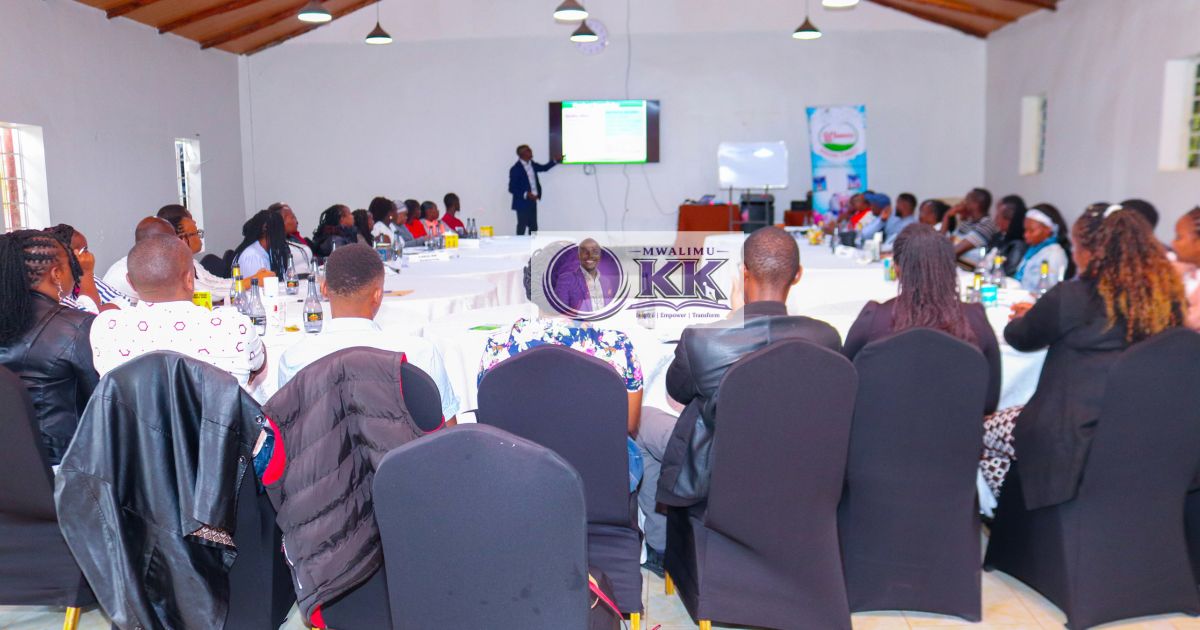
Conflict Resolution Training in Kenya: Managing Workplace Disputes Effectively.
Unresolved office arguments can quietly destroy your company’s bottom line. By investing in Conflict Resolution Training in Kenya, businesses can turn toxic work environments into hubs of collaboration and peace. When employees spend more time arguing than working, productivity drops, stress levels rise and your best talent might begin looking for the exit. At www.kariukikamau.com, we understand that handling employee disputes requires tact, empathy and professional frameworks.
In this comprehensive guide, we will explore exactly why workplace conflicts happen, the massive hidden costs of ignoring them and how structured corporate training can equip your managers to handle any office crisis smoothly.
Why Employee Conflict Happens in Kenyan Workplaces.
Before you can resolve a problem, you must understand its root cause. In any vibrant corporate environment, bringing together people from different backgrounds, generations and professional disciplines will inevitably lead to friction. Understanding these triggers is the first step in managing workplace disputes effectively.
1. Poor Communication and Misunderstandings.
The most common cause of workplace conflict is simple miscommunication. When managers issue unclear instructions or when emails are misinterpreted, employees often feel frustrated. A lack of transparent communication breeds suspicion and gossip, quickly turning minor misunderstandings into full-blown departmental wars.
2. Differing Values and Work Styles.
Every employee approaches tasks differently. Some are highly analytical and require time to process data, while others are fast-paced risk-takers. When a slow, methodical worker is paired with an impatient, results-driven colleague, tension is guaranteed. Conflict Resolution Training in Kenya helps staff recognize and respect these diverse working styles rather than viewing them as personal attacks.
3. Resource Scarcity and Heavy Workloads.
When departments are forced to compete for limited resources—whether that means a tight budget, limited office equipment or even management’s attention—conflict naturally arises. Furthermore, when employees are overworked and stressed, their patience wears thin, making them highly reactive to minor inconveniences.
4. Unclear Job Roles and Responsibilities.
If job descriptions are vague, employees often end up stepping on each other’s toes. When two managers believe they are in charge of the same project, a power struggle ensues. Clearly defining roles is a basic HR conflict management strategy that prevents territorial disputes.
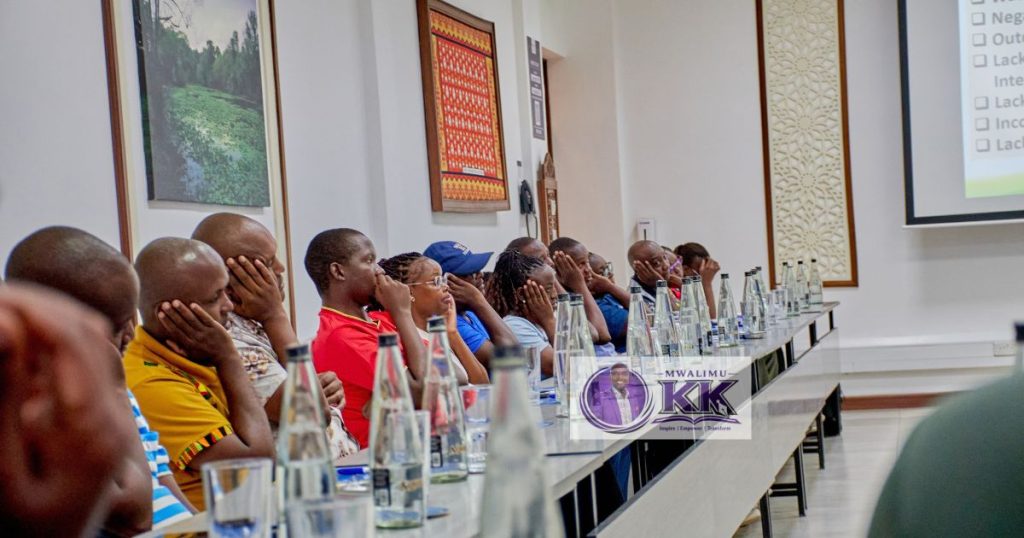
The Hidden Dangers of Unresolved Workplace Disputes.
Many managers make the fatal mistake of ignoring office tension, hoping it will simply resolve itself over time. Unfortunately, unmanaged conflict behaves like an infection, spreading throughout the organization and causing severe damage.
- Drop in Productivity: When employees are angry with one another, they stop collaborating. Information is withheld, projects are delayed and creative brainstorming comes to a halt. Instead of focusing on company goals, staff members spend hours discussing the conflict by the water cooler.
- High Employee Turnover: Nobody wants to work in a toxic environment. If leadership fails to address bullying, harassment or chronic hostility, your top performers will resign. The cost of recruiting and training new staff is incredibly high, making employee retention a primary reason to invest in professional dispute resolution.
- Increased Absenteeism: High-stress environments lead to burnout and anxiety. Employees dealing with unresolved workplace conflict often take more sick days simply to avoid facing their antagonists at the office.
- Reputational Damage: In today’s highly connected digital world, disgruntled employees easily share their negative workplace experiences on social media. A toxic corporate culture can severely damage your brand’s reputation, making it harder to attract premium talent or win client trust.
What to Expect from Conflict Resolution Training in Kenya.
Enrolling your leadership team and staff in a professional mediation course transforms how your organization handles pressure. High-quality corporate training programs go far beyond basic lectures; they provide practical, psychological and structural tools to restore harmony.
1. Developing High Emotional Intelligence (EQ).
Emotional intelligence is the foundation of effective dispute management. Training programs teach employees how to regulate their own emotions when triggered. Instead of responding with anger or defensiveness, emotionally intelligent professionals learn to pause, assess the situation and respond rationally. They also learn empathy—the ability to view a problem from a colleague’s perspective.
2. Mastering Active Listening Skills.
Most people listen just to formulate their next reply. Conflict resolution experts teach “active listening,” where the listener fully concentrates, understands, responds and remembers what the other person is saying. By validating the aggrieved party’s feelings, tensions are immediately de-escalated.
3. Creating Neutral Mediation Environments.
Managers are taught how to set up and conduct formal mediation sessions. This includes establishing ground rules for the conversation, ensuring neither party interrupts the other and guiding the discussion away from personal insults and back toward measurable business issues.
4. Structuring Fair Grievance Procedures.
A great training session will also audit your company’s existing HR policies. It helps organizations build clear, step-by-step grievance reporting systems so that employees know exactly who to speak to when a dispute arises. This will ensure complaints are handled confidentially and swiftly.
Top Strategies for Managing Workplace Disputes Effectively.
In the realm of professional dispute resolution, experts rely on established frameworks to navigate arguments. The most famous of these is the Thomas-Kilmann Conflict Mode Instrument, which categorizes human reactions to conflict into five distinct styles based on two metrics: Assertiveness (focusing on your own needs) and Cooperativeness (focusing on the other person’s needs).
- Avoiding (Low Assertiveness, Low Cooperativeness): The individual simply withdraws from the conflict. While this is generally unhelpful for solving core issues, it is a valid strategy when a situation is highly volatile and people need time to cool down before speaking.
- Accommodating (Low Assertiveness, High Cooperativeness): One party yields entirely to the other. This is useful when the issue matters deeply to your colleague but is relatively unimportant to you. It builds goodwill for future interactions.
- Competing (High Assertiveness, Low Cooperativeness): A firm, zero-sum approach where one person insists on winning. While this can seem aggressive, it is occasionally necessary during emergencies or when enforcing strict company safety policies where compromise is impossible.
- Compromising (Medium Assertiveness, Medium Cooperativeness): Both parties give up something to reach a middle ground. This is a fast, practical solution for complex issues where both sides have equal power, though it often leaves both parties slightly unsatisfied.
- Collaborating (High Assertiveness, High Cooperativeness): The gold standard of Conflict Resolution Training in Kenya. Both parties work together to find a creative, win-win solution that fully satisfies everyone’s needs. It takes the most time and effort but yields the strongest long-term workplace relationships.
Essential Skills Gained from Conflict Resolution Training in Kenya.
When you invest in conflict management workshops, your team will engage in practical role-playing exercises to build muscle memory for handling tough conversations. Some of the core competencies developed include:
- De-escalation Techniques: Learning how to lower the volume and intensity of an argument using calming body language, neutral tone of voice and validating statements.
- Separating the Person from the Problem: Training employees to attack the business issue rather than attacking their coworker’s character. For instance, shifting the phrase “You are always late and lazy” to “When the report is delayed, it impacts our client deadlines.”
- Solution-Focused Thinking: Shifting the narrative from “Who is to blame for this?” to “What steps can we take right now to fix this and prevent it from happening again?”
- Cross-Cultural Communication: In diverse Kenyan workplaces, understanding how different cultures handle confrontation is vital. Some cultures are highly direct, while others consider direct confrontation to be deeply disrespectful. Training helps bridge these cultural communication gaps.
How to Choose the Best HR Conflict Management Consultant.
Not all training programs are created equal. To ensure your company gets the maximum return on investment, you must select the right facilitation partner.
First, look for consultants who offer tailored solutions rather than generic, off-the-shelf lectures. Your business is unique and the training should reflect your specific industry challenges. A good provider will conduct a thorough needs assessment before the workshop begins.
Second, verify their experience and credentials. The best trainers have a background in corporate HR, psychology, or employment law, giving them the practical authority to command respect in the boardroom. Finally, check if the provider offers post-training support. Real behavioral change takes time, and having access to ongoing coaching ensures that the new conflict resolution skills become a permanent part of your company culture.
For businesses seeking premium, customized capability building, exploring resources and expert facilitation at www.kariukikamau.com is highly recommended. Working with proven experts guarantees that your investment directly improves staff harmony and operational efficiency.
Frequently Asked Questions About Conflict Resolution Training in Kenya.
1. What exactly is Conflict Resolution Training in Kenya?
It is a specialized corporate development program designed to teach employees, managers and HR professionals how to professionally identify, de-escalate and resolve disputes within the workplace. It provides practical frameworks to turn destructive arguments into constructive dialogue.
2. Why is managing workplace disputes effectively so important for a business?
Unresolved conflicts destroy productivity, lower employee morale and lead to high staff turnover. By managing disputes properly, a company maintains a healthy work environment, protects its employer brand, and ensures teams remain focused on achieving business goals.
3. Who should attend these corporate mediation programs?
While it is crucial for HR personnel and senior managers to possess these skills, ideally, every employee should undergo basic conflict management training. When frontline staff know how to communicate effectively, minor disagreements are solved before they ever reach management’s desk.
4. How long does a standard conflict management workshop take?
The duration varies based on organizational needs. It can range from an intensive half-day seminar focusing on basic communication skills, to a comprehensive three-day executive retreat covering advanced mediation, emotional intelligence and grievance policy restructuring.
5. Can Conflict Resolution Training in Kenya improve employee retention?
Absolutely. Employees quit toxic managers and hostile environments, not jobs. When a company actively promotes a peaceful, respectful and communicative culture, employees feel safe and valued, drastically reducing the likelihood of them seeking employment elsewhere.
6. What are the most common causes of employee conflict?
The primary triggers include poor communication, unclear job descriptions, competition for limited office resources, personality clashes, heavy workloads causing stress and perceived unfair treatment by management.
7. How does emotional intelligence (EQ) help in resolving office arguments?
High EQ allows an individual to recognize their own emotional triggers and regulate their response. Instead of lashing out in anger, an emotionally intelligent person can remain calm, practice empathy and focus logically on finding a collaborative solution.
8. Are online or virtual conflict resolution training sessions effective?
Yes, virtual training can be highly effective, especially for remote or hybrid teams. Modern e-learning platforms utilize interactive breakout rooms, digital whiteboards and live role-playing exercises to ensure the training is just as engaging and impactful as face-to-face sessions.
9. Can conflict resolution training be customized for small businesses in Kenya?
Small enterprises can manage costs by sending one or two key team leaders to public open workshops rather than hosting private in-house events. These trained leaders can then return and share the core principles with the rest of the team.
10. Where can I find the best conflict management experts in Kenya?
For customized, highly effective corporate training programs that deliver real behavioral change, you should partner with experienced industry professionals. You can learn more and book expert mediation consultants by visiting www.kariukikamau.com.
Conclusion: Conflict Resolution Training in Kenya.
Mastering the art of workplace harmony is no longer an optional soft skill; it is a fundamental pillar of business success. Conflict Resolution Training in Kenya provides your leadership and staff with the exact tools needed to navigate the inevitable frictions of corporate life. By actively choosing to manage workplace disputes effectively, you protect your company from the massive financial losses associated with low productivity, high turnover and toxic office culture.
Equipping your team with active listening skills, high emotional intelligence and structured mediation frameworks ensures that disagreements lead to creative solutions rather than destructive division. If you are ready to transform your office environment, boost employee morale and secure your company’s long-term operational success, take the next step today. Reach out to the corporate development specialists at www.kariukikamau.com to design a bespoke dispute management program tailored perfectly to your organization’s unique needs.

